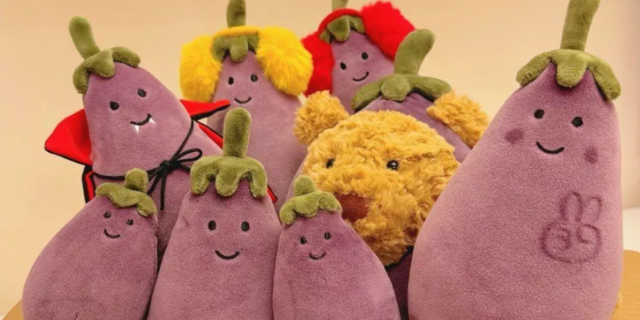
The stuffed animal sitting beside a laptop may not belong to a child. Neither does the Lego set on the dining table or the small, colorful figure hanging from an expensive handbag.
More adults are buying toys for themselves — and many are no longer embarrassed about it.
These consumers are sometimes called "kidults." They collect model cars, build Lego gardens, squeeze soft stress toys and fill their rooms with smiling plush animals. What once looked childish is increasingly being treated as a normal source of comfort.
Recent industry research shows that adults have become one of the toy market's most important groups. They now account for more than a quarter of global toy sales, while adults buying for themselves make up over one-fifth of plush-toy purchases.
But the appeal cannot be explained by spending figures alone.
Adult life contains plenty of problems without quick or satisfying endings. Work follows people home through their phones. Housing is expensive, the news is exhausting, and even rest can feel like another activity that needs to be planned.
A toy asks much less of its owner.
A plush animal does not need an answer. A Lego set turns a confusing evening into a series of small, manageable steps. A squishy NeeDoh can be pressed, stretched and returned to its original shape — an ability many stressed adults might envy.
These objects offer comfort that is physical as well as emotional. They are soft, colorful and pleasantly predictable. Unlike many adult responsibilities, they do exactly what they promise.
Nostalgia also plays an important part. An old character, toy car or building set can reconnect someone with childhood, when happiness might have arrived in a cardboard box. Buying such a toy does not bring that time back, but it can recover a small part of the feeling.
Toy companies have noticed the change. Lego sells detailed plants, buildings and artworks created for adult builders. Hot Wheels produces special collectors' models. Plush brands such as Jellycat offer everything from smiling coffee cups to soft toy vegetables, often photographed like fashion accessories.
Some of these products now appear in stylish shops, restaurants and fashion photographs rather than only in children's bedrooms. Toys have become decorations, collectibles and objects people carry with them through the day.
Social media has made this affection more visible. Adults show their collections, share new purchases and openly describe the comfort their toys provide. Seeing others do the same has reduced the embarrassment once attached to "childish" hobbies.
Of course, comfort can become costly when limited editions and online trends turn collecting into a competition. A toy does not need to be rare, fashionable or expensive to make someone happy.
Perhaps that is the gentlest part of the trend. Adulthood usually teaches people to value practical things. Toys make room for something equally important: joy without a useful purpose.
Growing up does not have to mean putting every soft, silly or colorful thing away. Sometimes being an adult simply means you can finally choose the toy yourself.