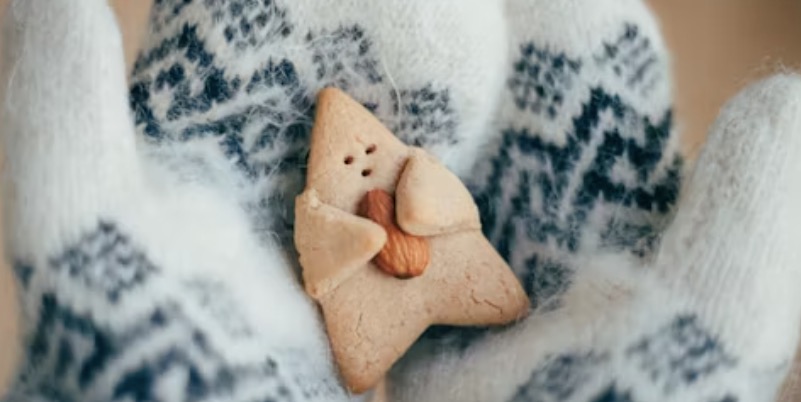
A trending topic urging people in southern China to "stop warming their hands under their buttocks" has recently shot to the top of social media discussions, sparking both laughter and debate online.
Many commenters admit the method may look awkward but insist it is undeniably effective. However, it is warned that sitting on one's hands can restrict blood circulation and, if done frequently, may lead to chilblains, numbness, and muscle soreness.
Without widespread central heating, many people in southern China have developed creative "self-heating" techniques to cope with the damp winter chill — from sitting on their hands and rubbing their palms together to blowing warm air onto their fingers or tucking their hands between their thighs.
The discussion has once again reignited the long-running question: is winter in southern China really colder than in the north?
Meteorological data show that although northern China is generally colder in terms of actual temperature, southern winters often feel colder because of higher humidity. How cold people feel depends not only on temperature, but also on wind and humidity, which together determine "apparent temperature".
In winter, humidity in many southern regions often exceeds 70 percent, while the north is usually drier but windier. At this humidity level, 5 C in the south can feel like 2.6 C, whereas the north would need strong winds to create a similar chill. This is why the south is often described as "wet cold" and the north as "dry cold". However, when the temperature difference exceeds about 5 C, actual low temperature becomes the dominant factor.
Experts also note that individual tolerance varies: southerners are generally more accustomed to humid cold but find strong winds harder to bear, while northerners used to dry cold and wind often feel particularly uncomfortable in the damp southern winter.