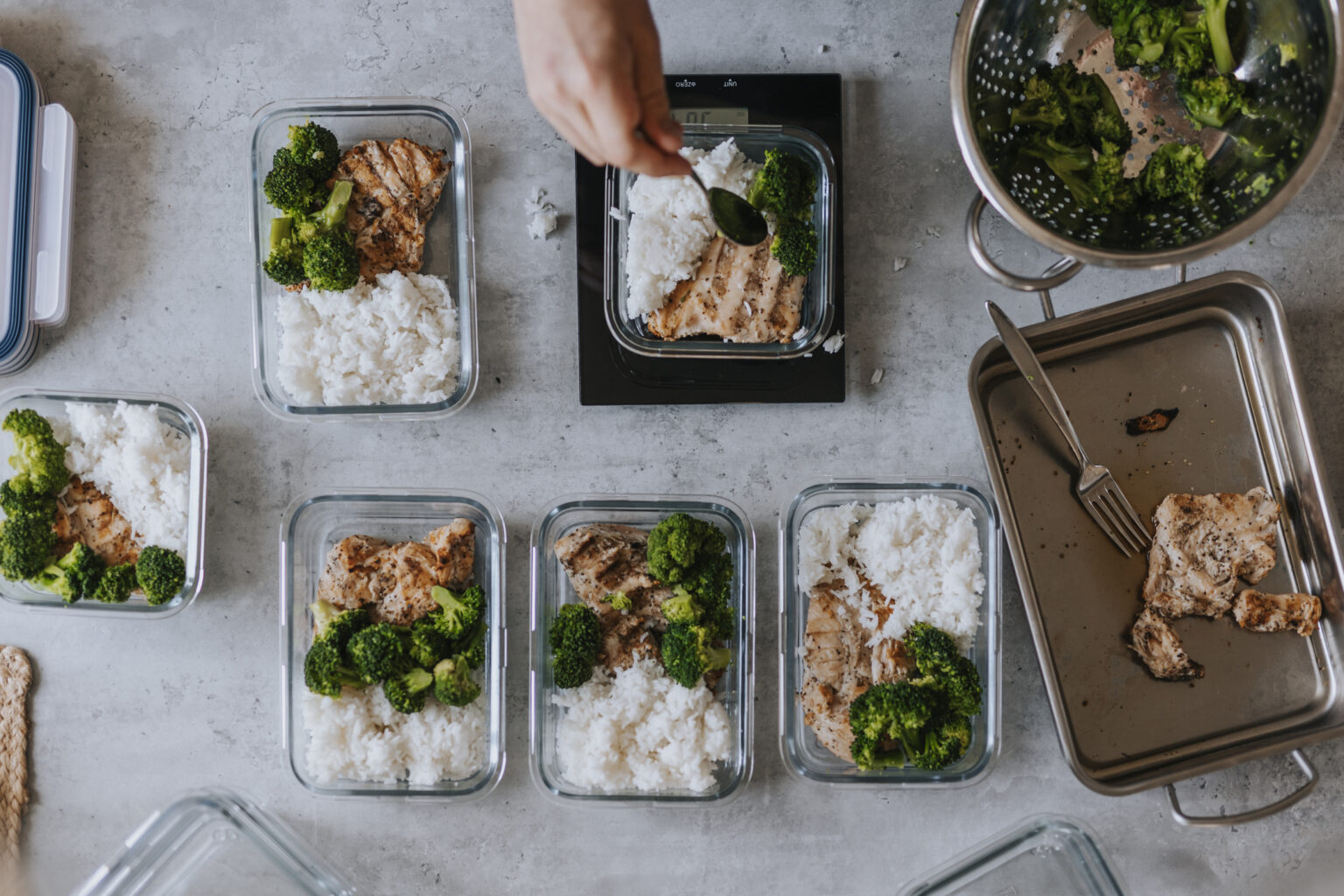
Consistency is key to building healthy habits. Researchers at Drexel University have now found evidence that indulging in the same meals and snacks day after day can lead to more successful weight loss over the course of several months. These new results suggest that eating the same meals on repeat can come with perks for those who want to lose weight. As long as the go-to meals and snacks are well-rounded, they may help with weight loss more than a flexible, varied diet.
"Maintaining a healthy diet in today's food environment requires constant effort and self-control," says lead author Charlotte Hagerman. "Creating routines around eating may reduce that burden and make healthy choices feel more automatic."
For the study, Hagerman and colleagues analyzed the food logs of 112 overweight or obese adults who were enrolled in a weight-loss program. In the first 12 weeks, participants who ate the same meals and snacks, as well as those with day-to-day calorie consistency, tended to lose more body weight than those who chose different foods. Specifically, those who stuck to a more routine weight-loss diet lost 5.9 percent of their body weight on average, whereas those with a more varied diet lost 4.3 percent.
The study authors calculate that for every hundred-calorie difference in a participant's day-to-day diet, weight loss decreased by 0.6 percent over the 12-week period. This is one of the first studies to use real-time food tracking data to explore how routine eating aids weight loss across multiple months. The findings suggest that the constant variety of food we are surrounded by may be hampering some weight-loss regimens.
"Our modern food environment is too problematic," explains Hagerman. "Instead, people may do best with a more repetitive diet that helps them consistently make healthier choices, even if they might sacrifice some nutritional variety."
Participants were enrolled in a behavioral weight loss treatment program, in which they worked with coaches to determine their daily calorie intake. Those who logged their food choices still lost more weight if they had a more routine diet.
"Even a healthy diet high in variety may increase points of decision-making, making it more cumbersome to calculate calories, versus having go-to meals with pre-calculated calories," hypothesize the study authors. Researchers can't say for sure whether that weight loss is really caused by a more routine diet, but the association has them wanting to know more. It sounds like a randomized clinical trial in the making.