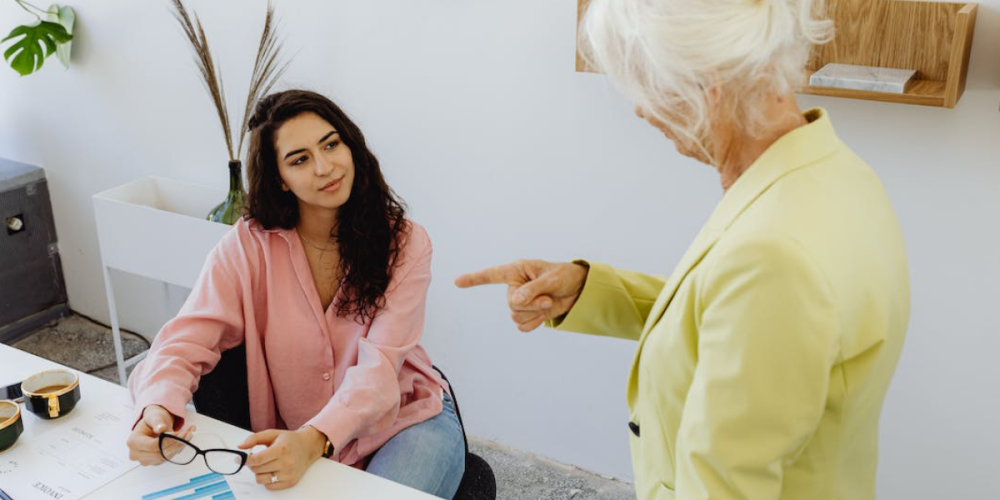
Think about who you could call. Maybe it's your grandmother, an older neighbor, a longtime family friend, or the former colleague who always seemed to understand what mattered, and what really didn't.
Karl Pillemer, a Cornell University gerontologist, directs The Legacy Project, which has gathered practical life advice from nearly 1,500 older adults since 2004. The same themes surfaced again and again: prioritize relationships over money, say yes to opportunities, and notice ordinary pleasures, like a warm bed on a cold night.
You don't need to interview 1,500 people. Start with one older woman you trust, but don't simply ask which habits she followed. Some were meaningful choices; others were what her circumstances demanded. Pillemer suggests asking: "As you look back over your life, what's the most important thing you've learned that you'd like to pass on to someone younger?" Then make it small: "What could I do this week to put that lesson into practice?"
Copying what an older woman did isn't the same as learning from her. Your grandmother might have cooked every meal from scratch because she valued gathering people around the table, or because she had no microwave or delivery app. "Copying the habit itself risks copying her circumstances rather than her insights," Pillemer says. "It wasn't wisdom. It was 1962."
When he asked very old women to name the most important technological innovation of their lifetime, they didn't say the moon landing or the television. They said the washing machine. Before it became common, laundry could consume two days of a woman's week. Get curious about the meaning behind a routine, and ask whether she'd recommend it to you today.
A lesson like "worry less" is hard to use on a stressful Tuesday morning. Push for something concrete. Many older adults told Pillemer they wished they hadn't spent so much time worrying about things they couldn't control. One woman spent three months fearing a layoff. "I now wish I had those three months back," she said. When Pillemer starts spiraling, he imagines a room of grandparents yelling, "You're just wasting your time worrying about it."
Try your practice for seven days. Adapt it while keeping the insight underneath. And remember that asking is a gift, too. Older people often relish being asked for advice. When you say you want to use what she learned, she isn't treated as someone who needs help. She's recognized as someone with something valuable to offer.