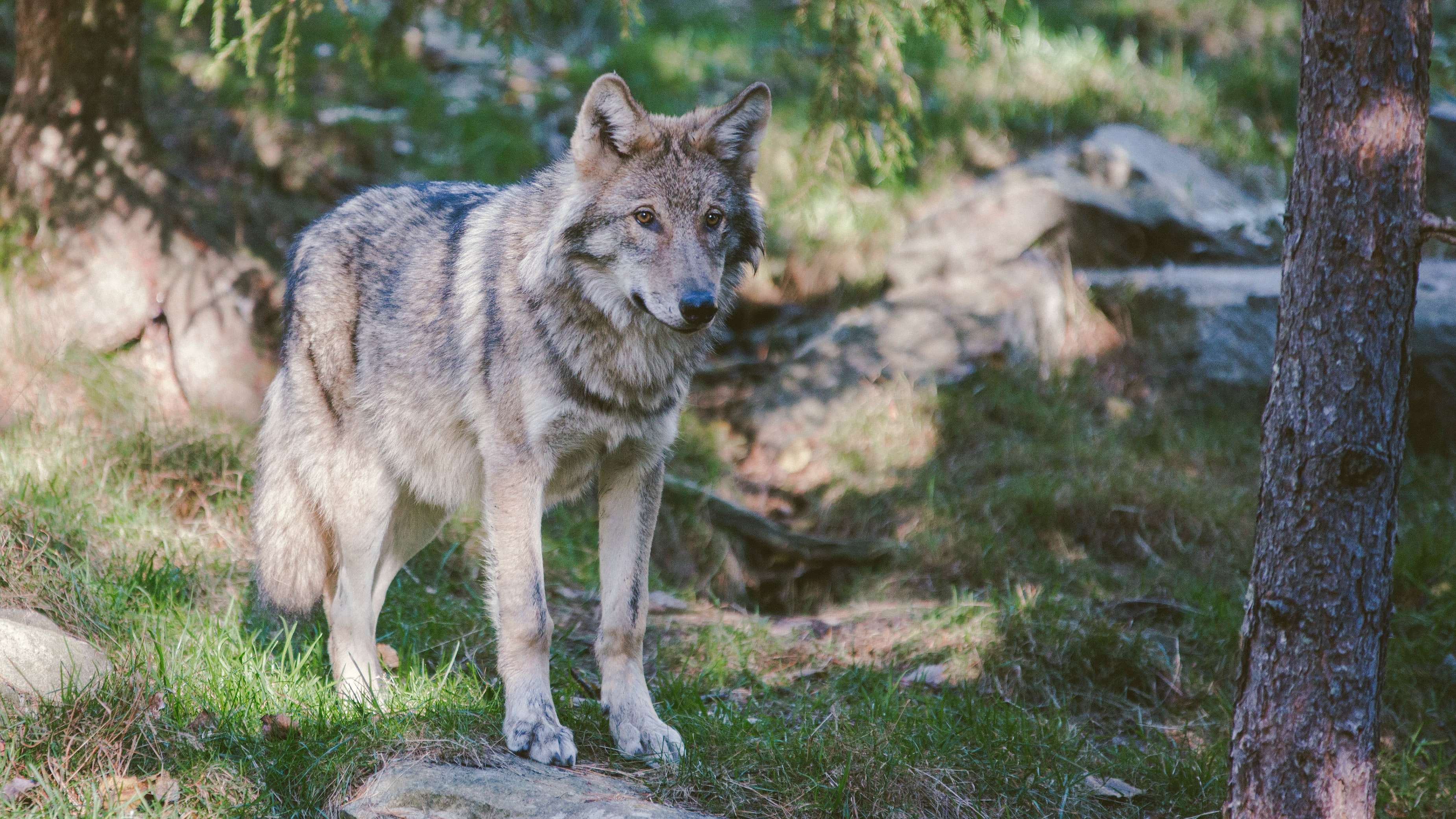
Humans have earned a reputation as "super-predators" because they hunt, trap and fish on a scale unmatched by other predators. These activities can reshape animal behavior across entire landscapes. New research led by the Centre for Ecological Sciences (CES) at the Indian Institute of Science suggests that wildlife does not respond to every type of human presence in the same way.
Animals generally show fear when people pose a direct lethal threat, such as through hunting or fishing. Their reactions to non-lethal human activity, however, are much less predictable.
A meta-analysis published in Ecology Letters brought together three decades of research on how wild animals change their behavior around humans. It compared changes in feeding, vigilance and movement across many species and ecosystems.
So do animals see every human as a super-predator? "The short answer is: no, not always," says Shawn D'Souza, a PhD student at CES and the study's lead author. "We found strong evidence that lethal humans such as hunters and fishers are indeed perceived as threatening. Animals in areas exposed to lethal humans tend to be more vigilant and spend less time foraging. In contrast, responses to non-lethal humans such as tourists or researchers are weaker and more variable."
One of the more unexpected findings was that animals near human infrastructure, such as roads and settlements, were sometimes less watchful.
"In certain cases, these areas can function as perceived refuges," D'Souza explains. "Predators often avoid humans, which can make areas near people feel safer for some prey species."
Co-author Maria Thaker, a professor at CES, says another factor may be the open vegetation commonly found beside roads, which can offer appealing grazing areas for smaller animals. Feeding near roads, though, also exposes them to the danger of being struck by vehicles.
The researchers focused on foraging, vigilance and movement because each reflects the difficult choices animals make when assessing danger. Every moment spent scanning for threats is time taken away from feeding, and changes in movement affect how much energy an animal uses and whether it can reach food or shelter. Because these behaviors influence survival and reproduction, they reveal how fear of people may shape wildlife populations over time.
The findings generally support the "risk allocation hypothesis," which proposes that animals change their behavior according to how severe and predictable a threat appears. When danger is frequent and intense, animals tend to remain cautious, D'Souza says. When a threat is limited or occurs in a predictable way, wildlife may be more willing to relax and resume normal activities.
These decisions can also have consequences far beyond a single animal, spreading through ecosystems to affect grazing patterns, predator-prey relationships and broader ecological stability.
The researchers say more work is needed to predict how different species will respond in different environments. "We need more predictive frameworks that link behavioral responses to ecological and evolutionary context, including species traits, past exposure to humans, predator communities, and landscape structure," says D'Souza. Long-term and experimental research, he adds, will be essential for determining whether animals are simply becoming accustomed to human activity or experiencing deeper evolutionary changes.