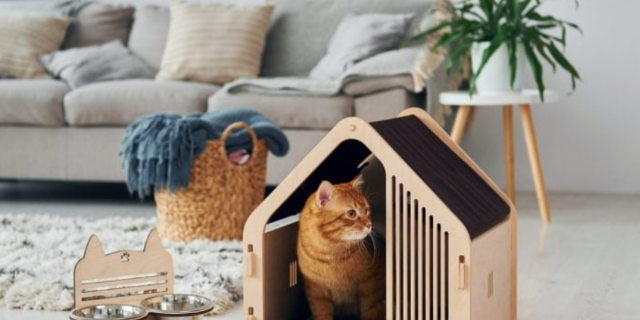
A dog once needed little more than a bed, two bowls and a few toys. Now, some dogs have built-in bedrooms, tiled showers and specially designed dining areas.
These unusual home features are part of a wider change in the way people spend money on pets. In the United States, pet spending has reached record levels. Higher prices for food and veterinary services explain part of the increase, but there is also a deeper reason: many people no longer view pet care as an optional luxury.
Instead, it has become another household expense.
When families need to reduce spending, they may buy fewer toys or fashionable accessories. But food, medical care and other basic needs remain priorities. Owners often treat these costs much like electricity or groceries — regular bills that cannot simply be removed from the budget.
This change reflects the growing role of pets in family life. A dog or cat is no longer seen as an animal that happens to live in the house. It is often considered a permanent member of the household, with daily needs that influence routines, budgets and even home design.
That is where "barkitecture" comes in.
The word combines "bark" with "architecture" and describes homes designed with pets in mind. Despite the dog-related name, the trend includes cats too. It can mean anything from a feeding station built into a kitchen cabinet to an entire washing area for muddy dogs.
Consider the ordinary pet bowl. Left on the floor, it slides around, collects dust and waits for someone to kick it. A built-in feeding station keeps the bowls in place while allowing them to match the rest of the kitchen.
Unused space under a staircase can become a small dog bedroom, complete with a cushion and a tiny entrance. A bedside table may double as a dog crate, removing the need for a large metal cage in the room.
Cats have inspired equally clever solutions. Some homeowners hide litter boxes inside cabinets, with a cat-sized entrance on one side and a full-sized door for cleaning on the other. Others build enclosed outdoor spaces where cats can climb, rest and watch birds without wandering away.
Perhaps the most eye-catching feature is the dog-washing station. Instead of lifting a muddy animal into the family bathtub, owners can use a raised shower with a handheld sprayer, nonslip tiles and storage for towels. It may look like a pet spa, but it also protects the bathroom — and the owner's back.
Not every example of barkitecture is practical or affordable. A pet does not truly need expensive tiles, custom wallpaper or its name carved above the bed. Yet many designs begin with ordinary household problems: muddy paws, spilled water, scattered food and the awkward search for somewhere to put the litter box.
The trend therefore sits somewhere between necessity and luxury. Feeding and caring for a pet have become essential parts of many household budgets. Stylish bedrooms and miniature spas are optional ways of expressing that commitment.
Of course, pets do not always respect the money spent on them. A dog may prefer the sofa to its custom bed, while a cat may ignore a carefully designed sleeping area and settle happily inside the cardboard box it arrived in.
Pet spending may now be a household necessity. Getting pets to admire what we buy for them remains another matter.