At first glance, 21-year-old Lu Zhi's digital life looks excessive. The internet industry worker based in Qingdao, Shandong province, owns 11 smartphones of different models and one tablet, far more than most people of her age.
Lu began using multiple devices in 2023, starting with an iPhone XR purchased as a backup phone for photography. Carrying it on daily outings encouraged her to document moments she might otherwise overlook — street scenes, fleeting light, everyday pleasures.
"I started taking photos whenever I saw something beautiful or interesting, which made me feel more connected to life," said Lu.
What followed was not a calculated expansion, but a gradual accumulation. Older models, some with limited performance, were added one by one. Lu affectionately refers to them as "electronic little junk", devices that may be outdated by advancing tech standards but still hold personal value.
"I like collecting them. When I have time, I play around with them. They give me a sense of pure happiness," she said.
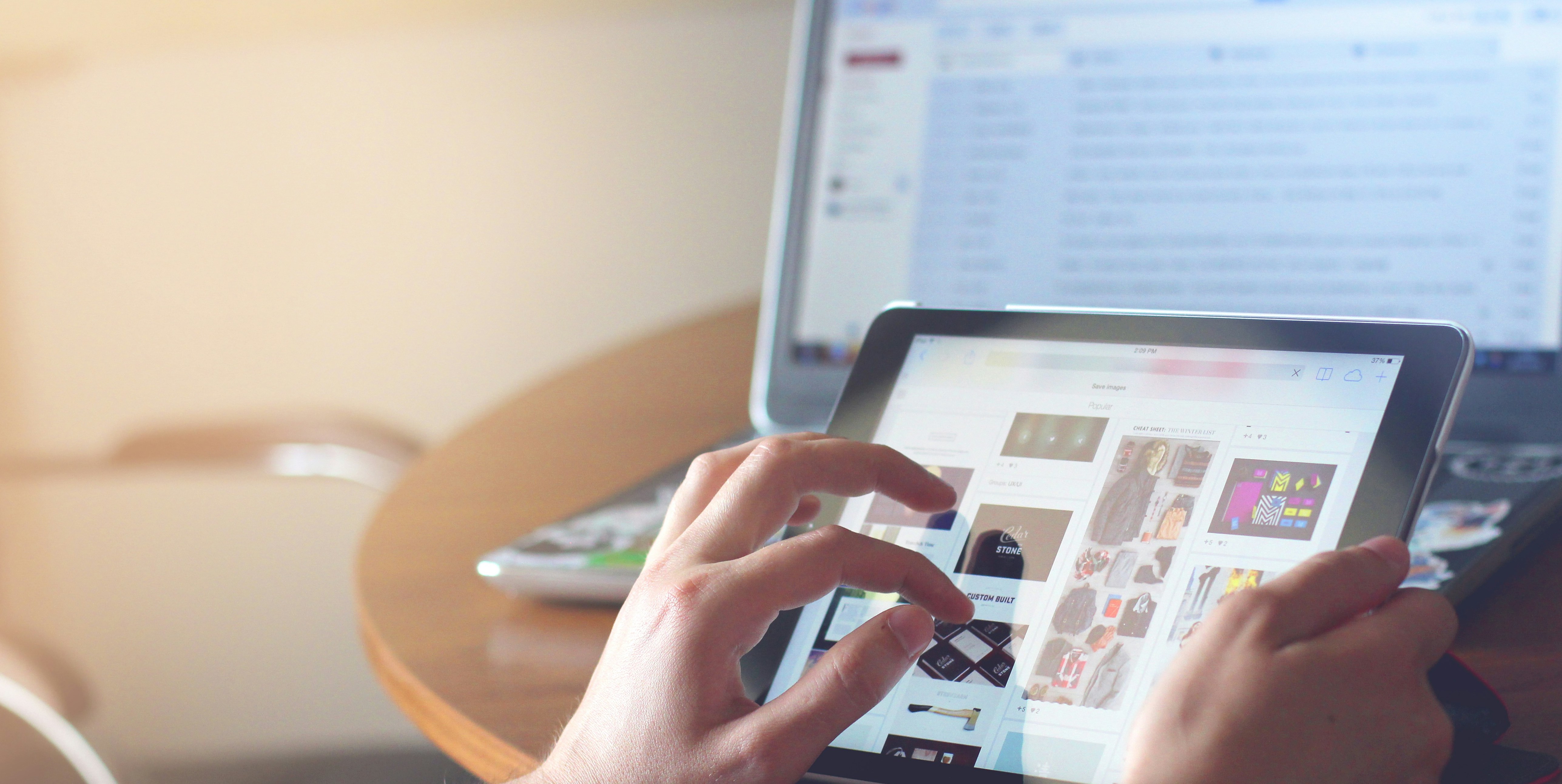
Each device in Lu's daily routine has a role. Her main phone, an iPhone 16 Pro, handles work communication, social media and online shopping. The XR and iPhone 8 Plus are reserved almost exclusively for photography, prized for their distinct camera styles. The iPad is used for watching videos and streaming shows.
Despite the pleasure it brings her, Lu's digital excess is not without tense moments. She admits to feeling anxious when storage space runs low on a device.
"Its memory is small, but the photos keep piling up. When it kept reminding me that storage was full, I had to rush to move photos elsewhere and decide which ones to delete. That is stressful," she said.
Yet, she has little desire to cull her digital memories. "They show who I really was at that moment. When I look back, I can remember exactly how I felt, which is a comfort for me," she said.
In a world where memory is measured in gigabytes, many young Chinese are accumulating large amounts of digital possessions — photos, videos, saved posts and even devices — not necessarily out of anxiety, but as part of everyday work and life.
A 2024 survey by the Social Survey Center of the China Youth Daily found that 82 percent of respondents engage in digital hoarding, with photos, chat records and audiovisual content being the most commonly saved. Over half described the behavior as psychologically comforting, while 54.6 percent said digital content should be saved more selectively.