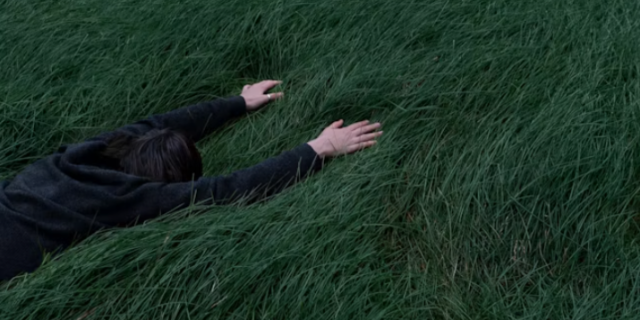
"Touch grass" was born in the digital world, but its message points in the opposite direction. It encourages people to put down their phones, step outside and reconnect with life beyond the screen.
Today, that message is reaching far beyond social media. In 2026, "to touch grass" was officially added to the Oxford English Dictionary. Its inclusion marks an important shift: the phrase now captures not only a widely shared online experience, but also a growing desire to live with more balance in an always-connected world.
Young people, in particular, are beginning to take the idea literally.
Digital detoxes, silent walks, outdoor book clubs, gardening and nature-based trips are attracting new interest. Pinterest's 2025 summer trend report described the season as a "digital detox summer," observing that Gen Z users were seeking slower, more nature-focused activities.
"Touch grass" is no longer simply something people say online. It is becoming a way of life.
A response to life on a screen
For digital natives, going offline is harder than it sounds. Phones are not used only for entertainment. They are where people study, work, shop, socialize and follow the news. Even a break can remain connected to the screen: a peaceful walk may be photographed, edited and posted before it has been fully experienced.
This helps explain the appeal of touching grass. It does not necessarily mean disappearing into the wilderness or giving up technology. It means creating a little distance from the endless stream of messages, videos and opinions competing for attention.
Its popularity also reflects a wider change in how some young people think about rest. Instead of spending their free time scrolling, they are looking for activities that feel physical and real: walking without headphones, meeting friends in a park, growing herbs or simply sitting outside without turning the moment into a post.
The goal is not to reject the internet. It is to remember that the internet is only one part of life.
Why nature can feel like a reset button
There is scientific evidence behind this instinct. According to Mayo Clinic Press, research suggests that spending time in nature may help improve mood, reduce anxiety and support attention, memory and sleep. Exposure to a natural environment may begin to calm the body's stress response within minutes.
Long outdoor adventures are not essential. A review cited by Mayo Clinic found that nature sessions lasting between 20 and 90 minutes appeared especially helpful for mental well-being. Another large survey found that people who spent at least two hours a week in nature were more likely to report better health and well-being.
Still, two hours is not a strict formula. A short visit to a nearby park, a few minutes beneath a tree or a walk around a pond can be a realistic starting point.
The important change may be less about the number of minutes and more about the quality of attention: looking around instead of at a screen, listening to birds rather than notifications, and allowing the mind to be briefly unoccupied.
Keeping it simple
As "touch grass" becomes a lifestyle trend, there is a risk that it will turn into another task to measure and display. A walk becomes a step count. A quiet afternoon becomes a carefully styled post. Time away from the screen becomes content about spending time away from the screen.
But touching grass works best when it remains ordinary.
It does not require special equipment, an expensive retreat or a perfect landscape. It can mean eating lunch outside, taking the longer route home or leaving the phone behind for a ten-minute walk. These small choices will not solve every problem caused by stress or excessive screen use. They can, however, create moments in which the mind is not being asked to click, react or perform.
Perhaps that is why "touch grass" has entered the Oxford English Dictionary — and why it continues to resonate with young people. It gives a simple name to something many people feel they have lost: direct contact with the world around them.
In an age of constant connection, going outside is no longer something to take for granted. It is becoming a conscious choice — and, increasingly, a new way to take care of ourselves.