Washing your hair is a crucial part of any grooming routine. But since everyone's hair is different, there's no one-size-fits-all rule. Some people shampoo daily, while others lather up a couple of times a week. Is one strategy better than the other?
Healthy hair — strands that feel well-hydrated and don't break easily — "is really a reflection of both the scalp environment and the hair shaft integrity," says Dr. Kseniya Kobets, director of cosmetic dermatology at Montefiore Einstein Advanced Care. Your scalp shouldn't be itchy, red, flaky, or extra oily. "I always tell patients: if your scalp is calm and balanced, your hair is much more likely to behave."
How often should you wash your hair?
"The ideal interval between hair washing actually has to do with your scalp more than your hair," says Dr. Carolyn Goh, a dermatologist at UCLA Health. The oils from your scalp act as a natural moisturizer, keeping hair from getting overly dry — but excess oil can make hair greasy and cause scalp irritation.
Washing removes oil, dead skin cells, product buildup, and dirt, and prevents yeast overgrowth that can cause dandruff. The American Academy of Dermatology recommends washing based on how oily or dirty your hair gets. For most people, that means every two to four days — daily for oily scalps, or once a week or two for dry or curly hair.
"For the average person, washing two to three times per week is ideal," says Dr. Danny Guo, a cosmetic dermatologist based in Calgary. Overwashing can make hair dry, brittle, and prone to breakage, while underwashing leads to greasiness, odor, and a flaky, itchy scalp.
What shampoo and conditioner should you use?
This depends on what your scalp needs, not hair type alone. Clarifying shampoos work well for oily scalps; hydrating, gentle formulas with glycerin or ceramides suit dry ones. For dandruff, look for ingredients like ketoconazole or zinc pyrithione. Sulfate-free shampoos work best for curly or dry hair, while fragrance-free options are better for sensitive skin.
"It's not that certain ingredients are universally bad," Kobets says. "It's about matching the formula to your scalp tolerance."
Most people benefit from conditioner after shampooing. Apply it to the ends only for fine or straight hair, or along the entire length for curly or dry hair.
Tips for healthy hair washing
Use less shampoo than you think. A quarter-sized amount is usually enough to clean the scalp and roots.
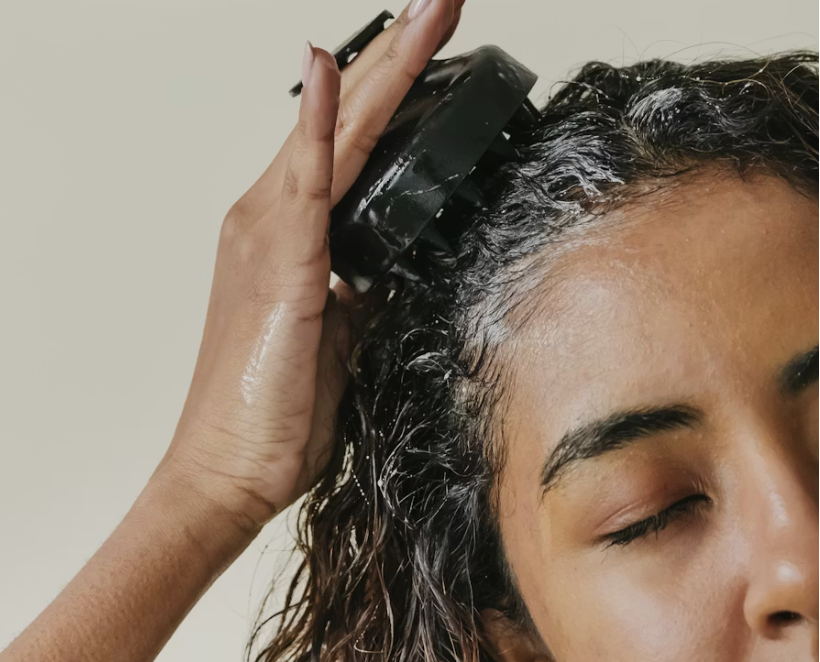
Focus on the scalp. Massage shampoo into the roots gently and let the lather rinse through the lengths. Over-scrubbing can worsen eczema or dandruff.
Condition the ends. Apply to the hair shaft and ends, avoiding the scalp unless it's particularly dry. Rinse thoroughly.
Use lukewarm water. Hot water strips oils and causes dryness.
Pay attention to warning signs. Persistent redness, pimples, bald patches, or sudden hair shedding are worth a dermatologist visit. A doctor may check thyroid, iron, and vitamin D levels, or examine any concerning scalp patches.
Ultimately, healthy hair starts with a healthy scalp. "The biggest misconception is that it's about how often you wash," Kobets says, "when in reality, it's about whether your routine and ingredients match your scalp and hair biology."