People are living longer these days, with the average life expectancy for people in the U.S. reaching 80.7 years for women and 74.1 for men. Unfortunately, for many people, their later years are not spent in good health.
The U.S. has the largest gap between healthspan (years spent in good health) and lifespan (total years lived). Dementia is one of the biggest threats to healthspan, with an estimated 42% of Americans over 55 eventually developing it.
Ready for some good news? A 2024 report published in The Lancet says that an estimated 45% of dementia cases are preventable through diet and lifestyle habits. There's one common habit in particular that brain health experts say could be increasing one's dementia risk without them even realizing it.
The Afternoon Habit That Could Increase Dementia Risk
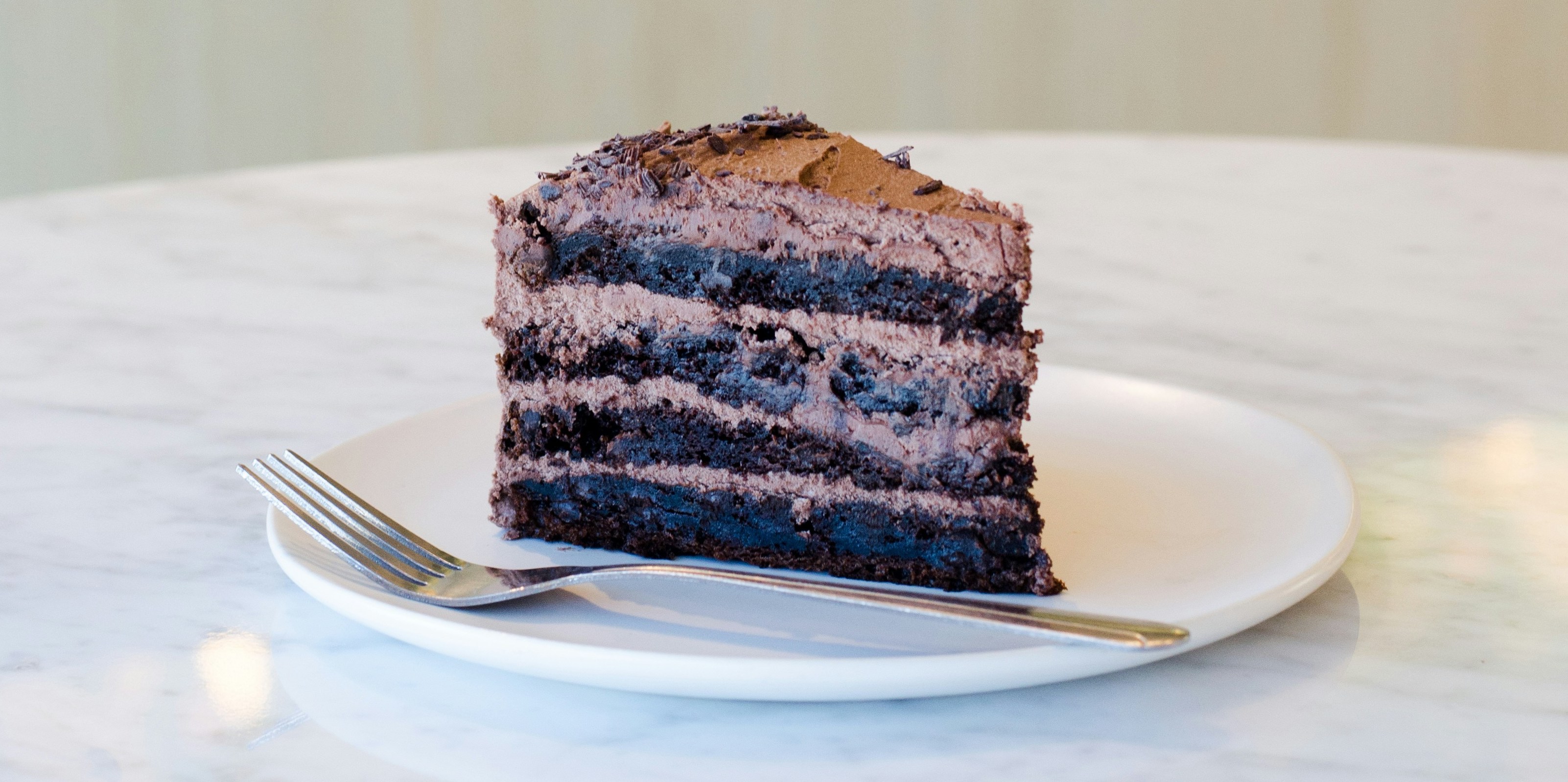
When the afternoon munchies hit, what do you reach for? If it's something sugary, you could be increasing your risk of dementia.
Julie Andrews, a registered dietitian and author of "The MIND Diet Plan and Cookbook," shared that sugary foods spike blood sugar levels. "Studies show large variations in blood glucose levels over a long period of time can increase dementia risk because it can damage blood vessels in the brain, cause inflammation... and starve brain cells of the fuel they need," she said.
Dr. Alvaro Pascual-Leone, a professor of neurology at Harvard Medical School, added that a high-sugar diet can lead to brain insulin resistance — when brain cells can't use glucose properly. This is unofficially being referred to as "type 3 diabetes."
Dr. Dung Trinh, chief medical officer of Healthy Brain Clinic, noted that unstable blood sugar is linked to oxidative stress, which can injure brain cells and interfere with how they use energy.
Furthermore, registered dietitian Kelli McGrane pointed out that consistently high sugar intake overstimulates the brain's dopamine reward system. Over time, this may negatively affect learning, memory, mood regulation, and motivation.
What's So Bad About The Afternoon?
Afternoon blood sugar spikes are especially bad for brain health. Pascual-Leone explained that glucose intolerance is naturally lower in the later half of the day, making blood sugar spikes from sugary snacks even more dramatic.
Additionally, eating high-sugar foods later in the day can disrupt sleep. Sleep is crucial for protecting against dementia because it's when the brain clears out neurotoxic proteins (specifically beta-amyloid and tau). If these aren't cleared out, they accumulate and interfere with neuron communication.
What About Fruit?
Will snacking on fruit have the same impact on the brain as a cookie? Not exactly.
"Cookies and candy are mostly refined sugar... they hit the bloodstream quickly and spike blood sugar," Trinh said. "Whole fruit, on the other hand, comes in a package with fiber, which slows down how fast sugar is absorbed, plus vitamins, minerals, and antioxidants that help protect brain cells."
McGrane added that many fruits contain plant compounds that support brain health, such as anthocyanins in berries, which reduce brain inflammation.
How To Satisfy Your Sweet Tooth Without Negatively Impacting Your Brain
This doesn't mean you have to cut sugar completely out of your life. Instead of nixing sugary snacks, experts recommend moderation and savoring the experience.
To minimize blood sugar spikes, Andrews recommends pairing a sweet treat with something high in fiber or protein. Trinh also advises not waiting until you're hangry to eat, as a drop in blood sugar makes you more likely to reach for fast, refined sugars.
Since blood sugar spikes are more dramatic later in the day, having your sugary snack earlier can minimize the impact on your brain and sleep.
For brain-approved sweet snacks, experts recommend dark chocolate (rich in cocoa flavanols that support healthy blood flow) or berries paired with nuts (providing antioxidants, fats, and protein for satiety).
The biggest takeaway: A diet high in sugar increases dementia risk, but you don't have to avoid it completely. Watch your intake, pair sweets with fiber or protein to blunt the spike, and when you do have something sugary, simply enjoy it.