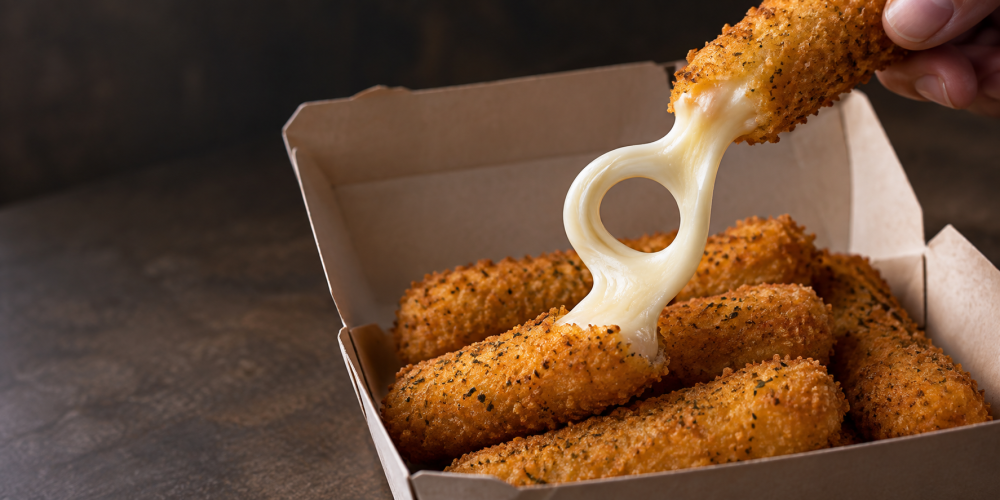
A strand of melted cheese should stretch. In one delivery-app photo, however, it curled back into an impossible loop. The mozzarella sticks looked crisp, golden, and almost too perfect. The picture was not a photograph. It had been generated by AI.
Reporters in Britain found the image while examining restaurant listings filled with glossy, suspiciously flawless food. They ordered several dishes to see how the meals compared with the menus. The results ranged from mildly disappointing to almost unrecognizable.
When the mozzarella sticks arrived, they were not terrible. But they were blander, less crisp, and much less appealing than the image that had attracted attention. A rice bowl from another restaurant tasted good, yet its sauces and vegetables looked far less polished than the perfect digital version.
The biggest surprises came when a picture appeared to advertise a version of a dish that the kitchen did not serve. One menu showed round, golden "Falafel Bombs" with a soft center. The delivery contained flat brown pieces in a paper cup. Another listing paired roast duck with what looked like a tall stack of American-style pancakes. The customer received a small bag of thin duck pancakes instead.
These mismatches reveal why AI food pictures can be both attractive and damaging. The technology is good at removing the details that make real food look ordinary. It can produce brighter lighting, smoother sauces, more even shapes, and perfect surfaces without crumbs or bruises.
Behavioral scientist Giovanbattista Califano says AI-generated food images are often rated as more visually appealing than real photographs. Generative tools tend to make food glossier, more symmetrical, and better lit. Researchers call such exaggerated images "superstimuli": they strengthen the qualities that normally attract us.
But looking delicious is only half the job of a menu photo. It must also tell customers what they are likely to receive. Psychologist Alexander Diel explains that an image generator usually has no knowledge of one restaurant's actual cooking. If it creates a dish from scratch, the result may show an ideal meal that the kitchen has never made.
That is different from using AI to improve the lighting or background of a real photograph. In that case, the plate existed before the software changed the picture. A fully generated image has no such connection to the food being sold.
Restaurants have an understandable reason to try the technology. Professional photography costs money, while menus and delivery listings constantly need fresh pictures. For a small business, generating an image can seem faster and cheaper than arranging another photo shoot.
Those savings may come at a different cost. Food photographer Brent Herrig says menu photography works because it carries an implied promise: someone cooked that dish, placed it on a table, and photographed it. Remove that connection, and customers may begin to doubt every picture they see.
A slightly imperfect phone photo may not win a beauty contest. It can still offer something a flawless AI image cannot: evidence that the meal is real. A menu picture should not show the best dish a machine can imagine. It should help customers recognize the dish the kitchen can actually serve.