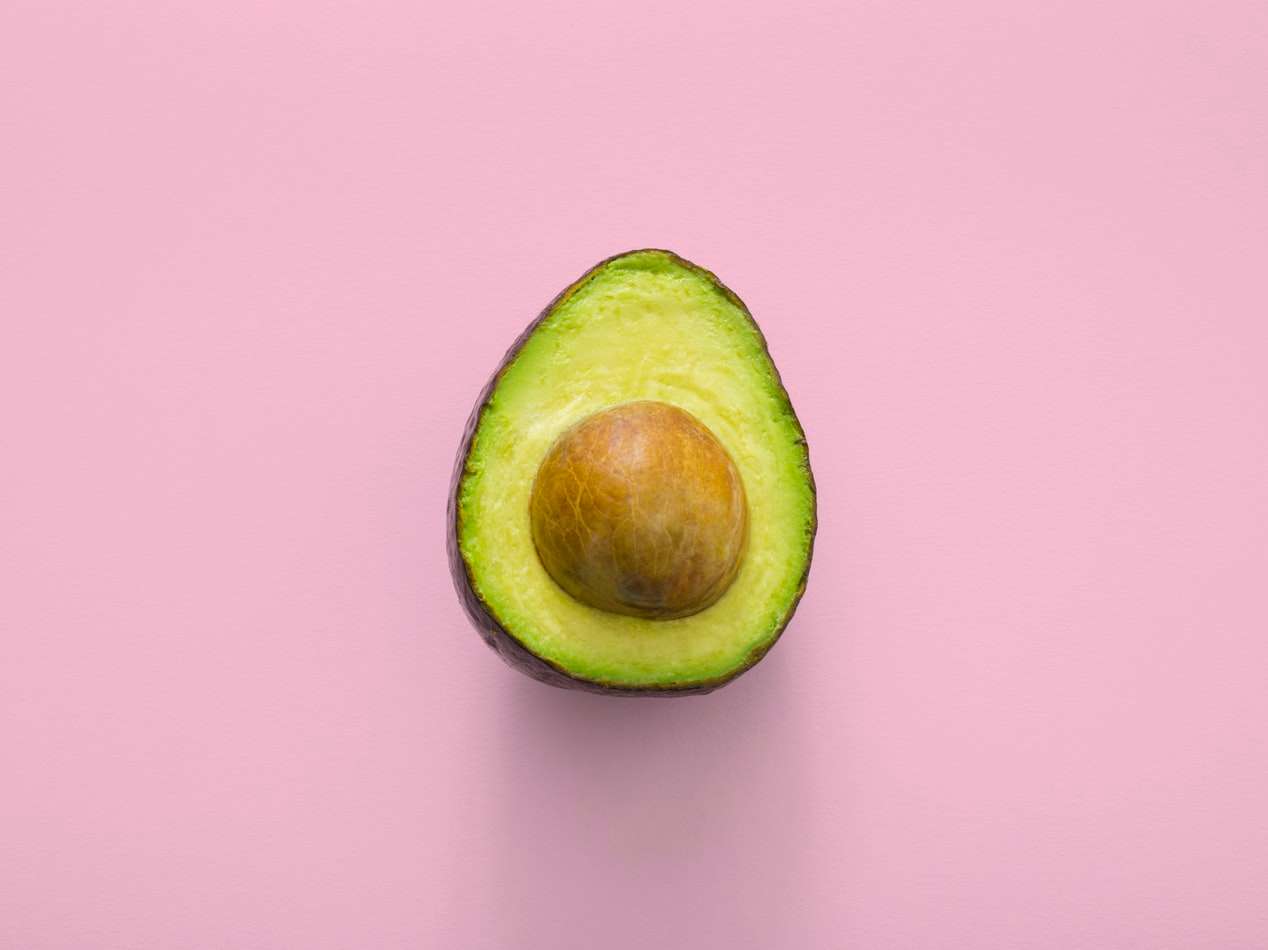
Avocados have been traveling with people for thousands of years.
New genetic research suggests that around 5,000 years ago, travelers carried large avocados north from South America into Central America. They planted the fruit along the way, mixing it with avocado trees that already grew there.
The evidence for this ancient journey is still alive today — hidden in the DNA of traditional avocado trees.
Researchers studied trees growing in Mexico, Honduras and Nicaragua. These trees are very different from the dark, rough-skinned Hass avocados commonly found in supermarkets. Some local fruits are larger, brighter and smoother, and many grow well in hot, humid lowlands.
By studying their DNA, scientists found that the lowland avocados of Nicaragua and Honduras were closely connected to varieties from South America. Their genes had preserved a record of movements that happened thousands of years ago.
The journey was probably not a single event. People repeatedly traveled across the region, carrying food, useful seeds and farming knowledge with them. Along the way, they cultivated avocados and selected trees that produced larger or more desirable fruit.
Avocados had been moving across the landscape even before humans became involved. Their large seeds were once spread by enormous Ice Age animals that ate the fruit and left the seeds elsewhere. After many of those animals disappeared, people became the avocado's new travel partners.
To reconstruct this history, researchers collected leaves from traditional trees in home gardens, farms and along roadsides. They also spoke with the people who cared for them. The team analyzed about 50 avocado genomes and compared them with previously studied varieties.
The fieldwork also produced a lighter discovery. One researcher had spent four years studying avocados without ever eating one. He wanted to see how long he could continue, but eventually a local farmer offered him a fruit.
He accepted. His review was brief: it was delicious.
Today, one variety dominates the international avocado trade. Hass trees are commonly produced through grafting, which allows growers to create new trees that produce nearly identical fruit. This is useful for supermarkets because customers receive a familiar product with a reliable appearance and shelf life.
But genetic sameness also brings risk. If most trees respond to heat, changing weather or disease in the same way, a single threat could damage many farms at once.
Traditional varieties may offer protection. Some local Nicaraguan trees, for example, cope better with a root disease that often affects commercial avocado plants. Farmers sometimes use these stronger local trees as roots and attach commercial branches above them.
Unfortunately, traditional varieties are becoming less common because they do not remain fresh as long as export types. Some farmers are replacing them with trees that are easier to sell.
That makes the old trees more than historical curiosities. Each one is a living library, carrying useful traits shaped by thousands of years of movement and cultivation.
The avocado in a supermarket may look like a simple piece of fruit. Its family history, however, is a story of giant animals, human travelers and seeds passed from hand to hand across a continent.