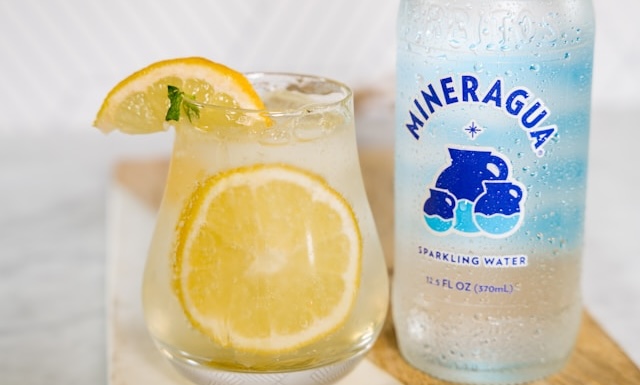
Is seltzer an issue for my teeth? For many people, seltzer is a bubbly treat. But as the drink has grown more popular, so too have questions about what it's doing to our teeth.
Seltzers are made by dissolving carbon dioxide into water — a process known as carbonation. This creates carbonic acid. In general, dentists worry about frequent consumption of acidic beverages because it can soften the enamel of your teeth, stripping away minerals that protect against decay.
Added sugars can compound the problem, since bacteria on the teeth feed on them and produce even more acid, contributing to cavities. Plain seltzers are only mildly acidic and sugar-free, so they tend to be harmless. However, the flavored versions can be over 100 times more acidic and may contain added sugars, making them more damaging. That's why it's best to avoid seltzers that have citric acid or phosphoric acid on their ingredients list, as well as those with cane sugar, fruit concentrate, or other added sugars. Hard seltzers deserve extra scrutiny, since they tend to be flavored and contain alcohol.
Fortunately, your saliva helps neutralize acidic beverages and restore minerals to your teeth. Still, people with dry mouth are more vulnerable to dental issues from acidic drinks. Older adults tend to produce less saliva, as well as people with diabetes and those taking certain antidepressants or blood pressure drugs. That doesn't mean they can't have seltzer, but they should be more cautious.
Whether seltzer is a healthy choice depends largely on what it's replacing. "I put water first, I put seltzer second, I put soda three steps down," said Dr. Kenneth Allen. Consumed in moderation, seltzer is really nothing to worry about. Still, you can take a few simple steps to reduce the risk. Most importantly, reduce the time that you're exposing your teeth to acid and sugar. In other words, avoid swishing seltzers in your mouth or sipping on one throughout the day.
Having seltzer with meals can also help because your body produces more saliva, which can better neutralize acid. Using a straw can also help, since it allows the seltzer to bypass your teeth, as does drinking water afterward to wash away any acidic residue. Experts say that it's also smart to wait 30 minutes after drinking seltzers — particularly the flavored versions — before brushing. Since acidic drinks soften the enamel, you can increase the damage by immediately brushing. Waiting helps your saliva restore your teeth's strength.
If you're worried about erosion and cavities, talk to your dentist. They can spot early signs of trouble before symptoms appear. Seltzers, however, aren't a big worry for dentists, and most people don't need to overthink them. "Just have your drink," said Dr. Margherita Fontana. "Enjoy it. That's not a problem."