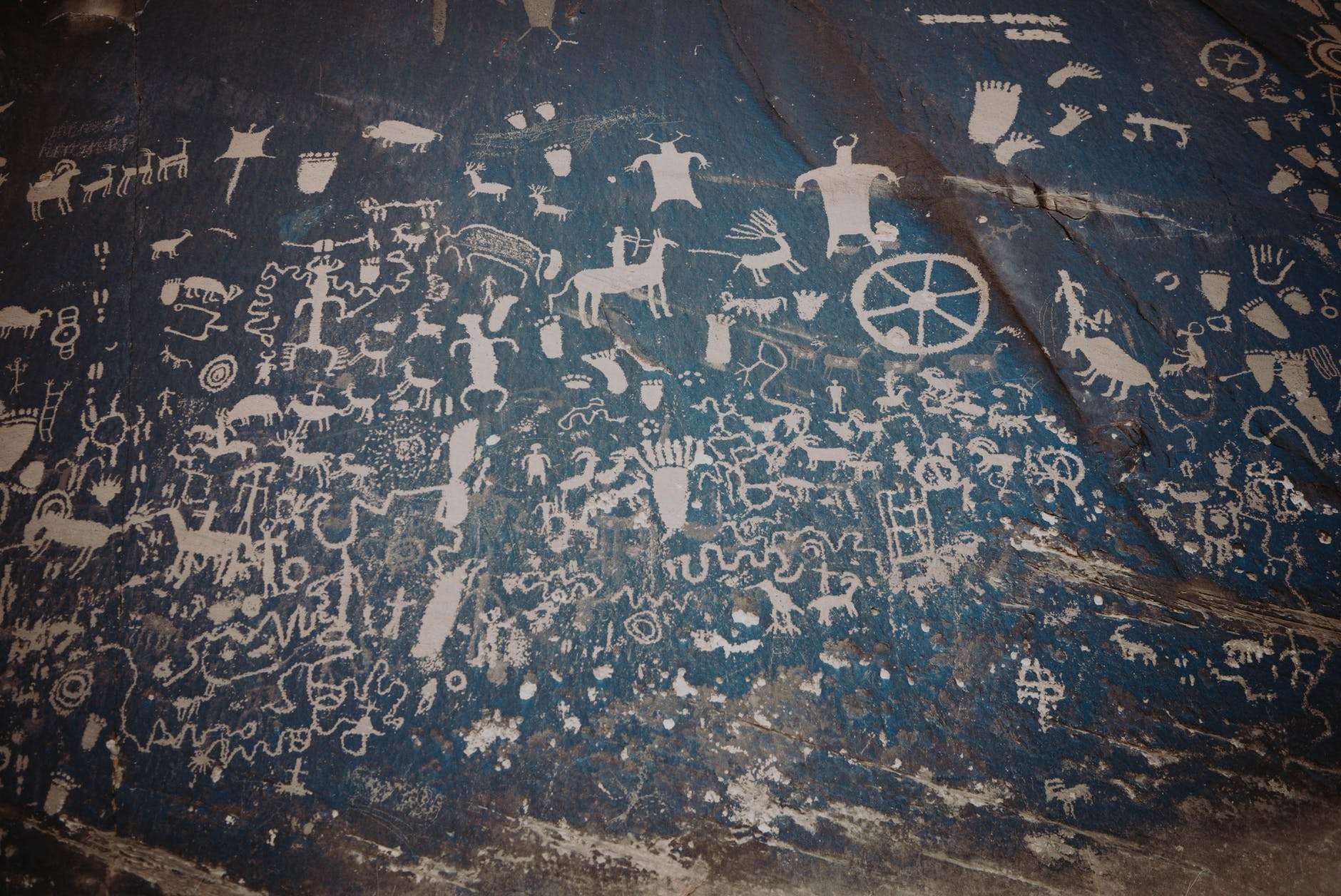
For more than a century, the ancient art adorning France's Font-de-Gaume cave has guarded the secret of its age. Archaeologists had long recognized that the cave, which is tucked into the limestone cliffs of the Dordogne near Lascaux, harbored some of Europe's finest Ice Age art, yet they could not say when the paintings had been made. Now, thanks to modern technology, they can. The findings, published in the Proceedings of the National Academy of Sciences, provide the first absolute dates for paintings at Font-de-Gaume.
Radiocarbon dating ranks among archaeology's most powerful tools. Its reach, however, is confined to organic material that contains carbon, such as charcoal or bone; mineral pigments like ochre and manganese oxide do not qualify. For decades, researchers assumed that the black paintings at Font-de-Gaume and nearby Lascaux had been produced exclusively with such mineral pigments, an assumption that seemed to place them beyond the reach of radiocarbon dating. Now, a team of French scientists has overturned that assumption.
Led by CNRS researcher Ina Reiche, the team turned to Raman microspectrometry and hyperspectral imaging to examine what the cave's black paintings actually contained. Because both techniques can identify materials without touching them, they are invaluable for studying fragile cultural heritage.
The scans revealed charcoal distributed throughout the black pigment. Far from appearing in random patches, it ran consistently through the painted lines, a pattern that ruled out contamination from soot, graffiti, or decades of contact with visitors. What the team had detected was not an accidental intrusion but a deliberate ingredient of the original pigment, one that the artists had mixed into their paint thousands of years ago.
That discovery opened the door to radiocarbon dating. Because the artwork remains extremely fragile, researchers who were granted permission to sample two of the paintings inside the cave could remove only microscopic amounts of material.
One painting dates to between 13,461 and 13,162 years ago, placing it firmly within the Upper Paleolithic. Samples from another painting produced three distinct date ranges, spanning from 8,590 to 15,981 years ago.
These results suggest that different parts of the image were painted or modified at different points in time. Given that the oldest and youngest samples sit more than 6,000 years apart, the painting, rather than capturing a single moment of artistic activity, may record changes made by successive generations.
That possibility offers a new way of thinking about Font-de-Gaume's cave art. The cave walls do not merely preserve ancient paintings; they may also preserve evidence of people returning to the same works across deep time.