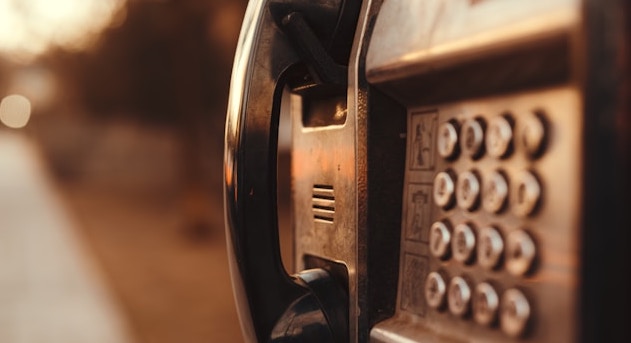
Gen Z is notoriously bad at picking up the phone. Boomers grew up on it. A new social experiment wants to get them talking − to each other.
Outside of a busy coffee shop on Boston University's campus, a sign on a bright yellow pay phone invites passersby to "call a boomer." In a lobby across the country at Sierra Manor, a subsidized senior housing facility in Reno, Nevada, a similar pay phone reads, "call a zoomer." When a user picks up the phone, it automatically dials the companion phone.
The biotech startup Matter Neuroscience installed the phones as a social experiment to connect Gen Z with older adults, two age demographics experiencing high levels of loneliness. "Being able to connect them and encourage conversation might introduce some positivity in both of their lives, some friendship that's much needed and a wisdom exchange," says Calla Kessler, a social strategist for Matter.
Kessler says for young people living their lives increasingly online, the hardest part is "the build up" that comes with "picking up the phone and giving it a shot."
"It was a little nerve wracking," says Boston University sophomore Sadie Cohen of trying out the phone. "You don't know if someone's going to be online immediately, so that impromptu conversation's kind of scary, but it was good scary."
In conversations recorded by Matter Neuroscience, students and seniors have discussed the weather, compared their college experiences and discussed where one another are from. "There's definitely an exchange of advice being sought out," says Kessler. "The younger people want to know what the older people think about life if they have any words of wisdom."
For some members of Gen Z, the idea of picking up a phone and calling someone − especially without sending a heads up text first − is intimidating. Studies find that Gen Z prefers texting over calling, citing factors like convenience and reduced social anxiety. Cohen pointed out that for many peers, it might be the first time they've used a pay phone in public. "I don't even know if I've seen an actual pay phone around, ever," Cohen says.
The focus is on loneliness and generational divides. "We live in isolated times, and we need each other. Humans need one another on a molecular level," Kessler says. Even before the pandemic, roughly half of adults reported experiencing loneliness, but former U.S. Surgeon General Vivek Murthy in the spring of 2023 declared America's loneliness epidemic a public health crisis. Loneliness and social isolation can increase risk for premature death as much as smoking 15 cigarettes a day.
"Loneliness, I definitely see that around," Cohen says. "Our society has moved a lot away from in person social interaction, between the same generation, and then especially across generations."
When Matter Neuroscience approached Pavement Coffee in Boston, Marketing Coordinator Thomas Tague-Bleau says he thought back to the hardships of navigating social dynamics during college. "There's a lot of relatability there, and this project sort of taps into that and helps people think about other people," Tague-Bleau says.
Kessler says the company will evaluate the success of the phones. "You see people online commenting, 'People yearn for community,'" says Kessler. "It's true… we need each other."