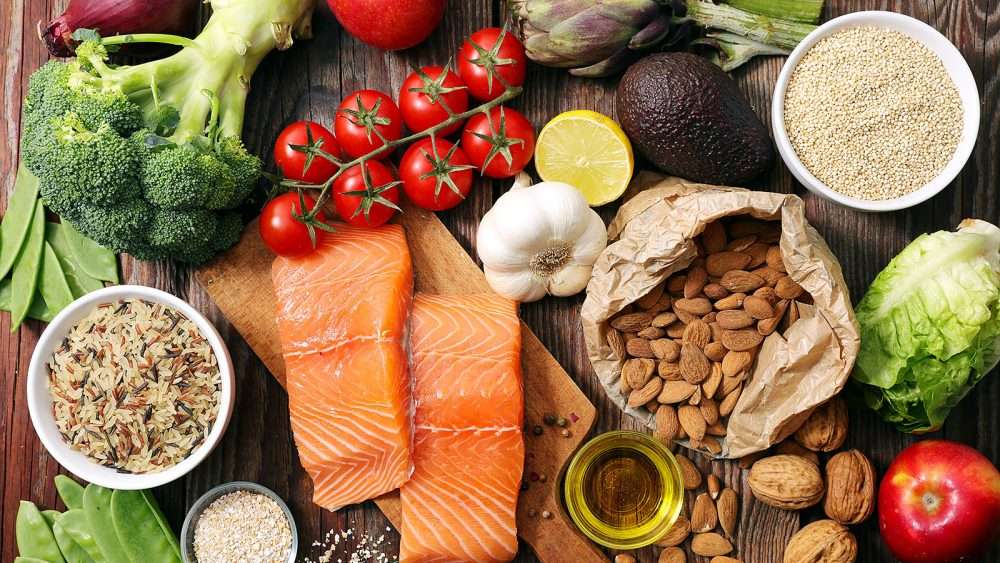
Eating healthy isn't about cutting out your favorite foods — it's about finding balance. With a few simple adjustments, you can fill your plate with nourishing foods that boost your energy and still align with your lifestyle and budget.
Paying attention to what you eat can make a big difference. Tracking your meals — whether in an app or a simple notebook — helps you become more aware of your habits and gives you a sense of control over your choices. Research shows people who track their meals this way are more likely to keep up healthy habits, especially with social support.
Before making significant changes to your diet, consult with your healthcare provider or a registered dietitian nutritionist to ensure your plan aligns with your overall health.
When making healthy changes to your diet, set specific, realistic goals instead of vague ones. For example, start by adding just a half or whole serving of fruit or vegetables a day, especially if you don't typically eat many.
Keeping your kitchen and pantry stocked with healthy essentials and nutrient-dense foods makes it easy to create balanced meals at home.
Some foods are high in calories but low in essential nutrients, including ultraprocessed food. Guidelines recommend limiting foods with added sugars, saturated fats, and sodium.
Planning your meals helps reduce stress, prevent last-minute takeout, and foster healthier choices. It's linked to better diet quality and a lower risk of weight gain.
Snack foods, including chips, cookies, and cereal bars, may be high in saturated fat, added sugar, and sodium. However, healthy snacks can help keep you satisfied between meals, boost your energy, and prevent overeating at mealtime.
Eating healthy doesn't have to break the bank. Start by planning meals around grocery sales and what you already have at home. Stock up on pantry staples like canned goods, buy produce that's in season, and opt for frozen fruits or vegetables when fresh ones are expensive.
Do not skip meals. Research shows that skipping meals or going too long without eating can lead to anxiety, weight gain, and metabolic syndrome — a term used to describe a group of conditions that raise your risk of heart disease, diabetes, and stroke.
Try not to rely too heavily on supplements, such as protein bars, meal replacement shakes, and green powders. These foods may not offer the same benefits as whole, minimally processed foods.
Drinking water helps you stay hydrated, preventing mood changes, brain fog, constipation, and kidney stones. It can also aid weight loss when used to replace sugary beverages. Needs vary, but experts generally recommend about nine cups a day for women and 13 for men.
Regular physical activity offers many health benefits. Adults should aim for 150 minutes of moderate-intensity exercise per week, or about 30 minutes a day, five days a week.
A good night's sleep improves brain function, mood, and overall health, while sleep deprivation is linked to a higher risk of chronic conditions like obesity, heart disease, and dementia. One study found that adults who slept less than seven hours a night were more likely to become obese, an effect tied to changes in the hunger hormones ghrelin and leptin.
Chronic stress can lead to skipping meals, unhealthy choices, and increased fat storage around the belly. Relaxation techniques such as meditation, yoga, exercise, and other enjoyable activities can help you manage it.
Mindful eating can improve your relationship with food. It involves paying attention to hunger cues, eating slowly, and minimizing distractions, allowing you to be fully present during meals.
Protein increases satiety hormones while suppressing hunger hormones. It also has a higher thermic effect than fat and carbs, meaning your body burns more calories while digesting it.
Alcohol adds extra calories that can lead to weight gain, and too much can raise your risk of high blood pressure, heart disease, and liver problems. Current guidelines suggest no more than one drink a day for women and two for men.
Reading food labels helps you make smarter choices. Check the serving size, ingredients, and key nutrients before you buy. Aim for foods high in fiber, vitamin D, and iron, and limit those with added sugars, sodium, or saturated fat.
Fiber keeps your digestive system healthy, helps you feel full longer, and helps manage blood sugar and cholesterol. Good sources include fruits, vegetables, whole grains, nuts, seeds, and legumes like beans and lentils.
Calcium and vitamin D are essential for bone health. Calcium is found in dairy products, fortified plant-based alternatives, mustard greens, spinach, and nuts. Few foods naturally contain vitamin D, so look for fortified milk, orange juice, or cereals — or add fatty fish like salmon and trout to your meals.