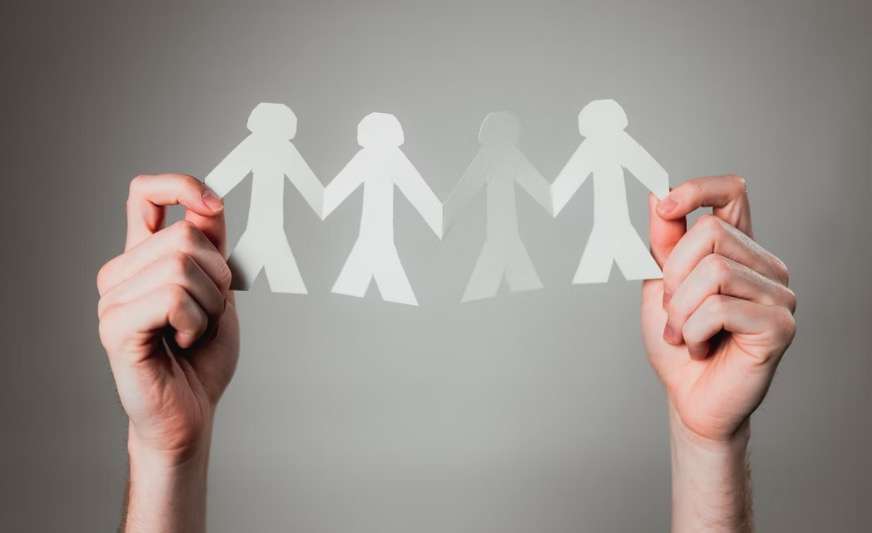
In the past, a shared rhythm of rest was disrupted. The human costs were immediate. You might be off on a Tuesday while your spouse was working or be forced to work while your children were home from school. Communities increasingly felt disconnected from their loved ones.
A letter in a newspaper in the weeks after the new calendar took effect captured it: "What is there for us to do at home if our wives are in the factory, our children at school, and nobody can visit us? It is no holiday if you have to have it alone."
The arrangement was modified within two years and later abandoned outright. People weren't refreshed by their days off. They were isolated by them.
I've been thinking about this a lot lately because I fear we are running a subtler version of it, and we haven't yet admitted it isn't working.
A more recent natural experiment makes the same point from a different angle. The psychologist Terry Hartig studied what happens during Sweden's vacation season, when a large share of the country is off work at the same time. He and his colleagues tracked the dispensation of antidepressants month by month. Prescriptions fell as more people took vacations at once. The effect held even among retired Swedes who had no jobs to take a break from.
What these people were benefiting from, Hartig concluded, wasn't free time. It was the fact that other people also had the same free time. He called the effect "the social regulation of time."
Your free time is most restorative, it turns out, when it is someone else's free time too. We are a hypersocial species, and the benefit comes from synchrony. As sweet as this finding may be, it is also unnerving, given how our society is becoming increasingly isolated.
In previous generations, people often did roughly the same things at roughly the same times. They worked during the day and rested in the evening. They took weekends off together. They ate dinner around the same time. They watched the same shows on the same nights. Most of that is gone now. As has been documented, TV made entertainment individual and thinned out in-person communities.
Flash forward several decades, and streaming ended the shared TV night. Delivery apps ended the shared meal hour. Remote work made the nine-to-five a polite suggestion. Gig platforms turned weekends into peak earning shifts. Each change was a genuine individual convenience. Cumulatively, they built a quieter version — one nobody decided on.
A relationship psychologist has a phrase for this pattern: sliding versus deciding. Too often, we don't choose the life we lead; we slide into it, one small convenience at a time. The psychologist uses the frame for couples who slide into cohabitation and then marriage, but the concept generalizes. We slid into a desynchronized society by each individually reasonable step, without anyone actively choosing this way of life.
This is likely part of why in-person events are booming at precisely the moment virtual substitutes are cheapest and most capable. People are paying to be in the same room at the same time as other people.
The solution isn't to abandon flexibility. It's to deliberately build a few shared rhythms back into our society. A standing Tuesday night dinner with the same people. A class you show up for every Thursday. A running club that meets in the morning. A civic meeting, a volunteer shift. The specific thing matters less than the quality it shares with the others: you are doing it at the same time as other people who expect you to be there.
Committing to a communicable event won't boost your personal productivity metrics. But what they will do is put you back in sync with other humans. And being connected with others is one of the strongest predictors of well-being we have. Almost nothing else you can optimize for comes close. As has been pointed out, social connection is a powerful contributor to well-being.
That experiment ended because it was painfully obvious what it was costing them. The version we are running is subtler, because it looks like convenience, and because no one ever proposed it from a lectern. We slid into it, and there's no single leader we can hold responsible for the decision.
That means we have to decide our way out.