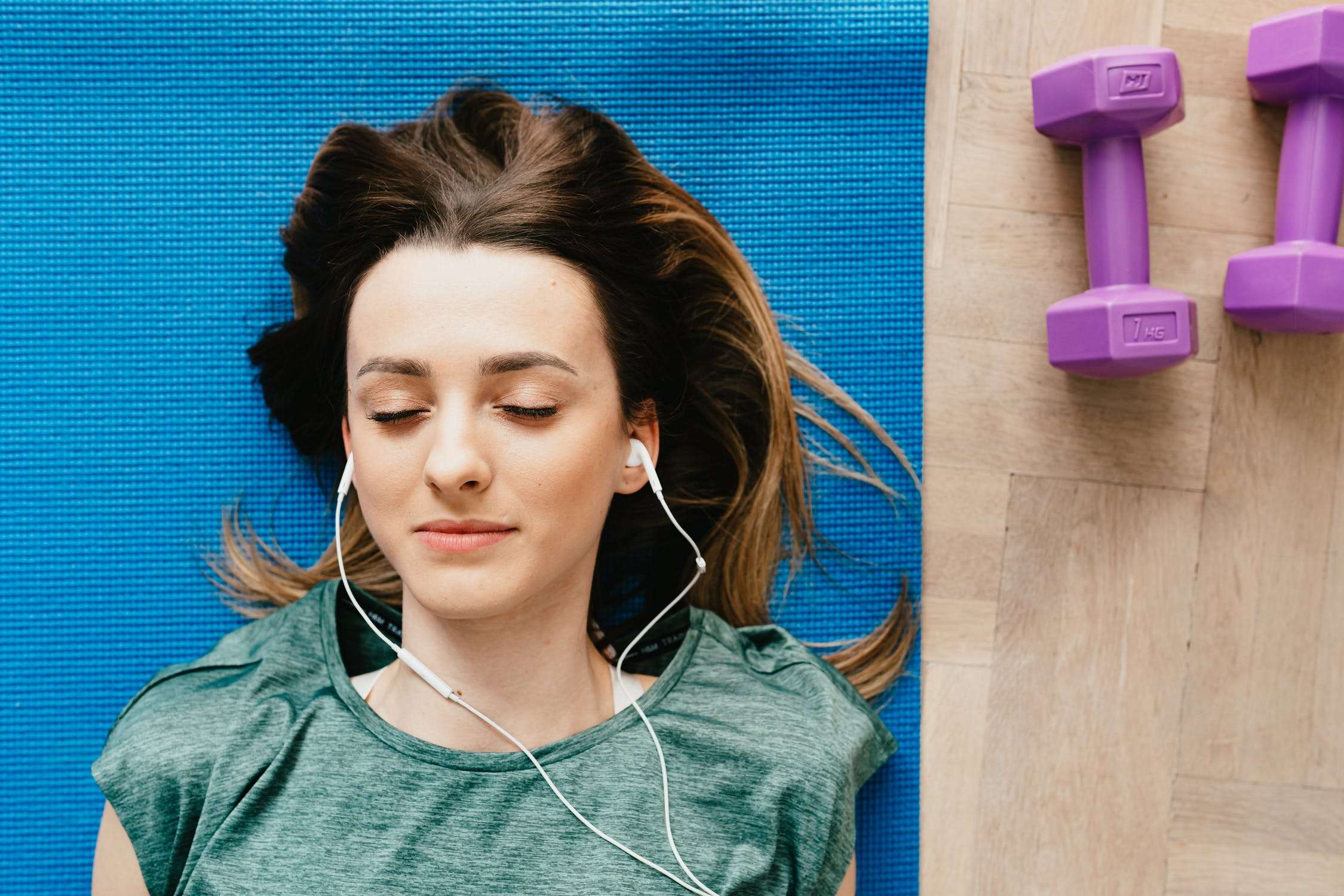
When you set exercise goals, you may often focus on the physical benefits – getting in shape, building muscle, managing weight, etc. But exercise also has a remarkable impact on your mental and emotional well-being. That's because of something called the mind-body connection.
Your brain and body are in constant communication, explains Rachel Goldman, PhD, a Licensed Psychologist and author of the book "When Life Happens."
"The brain is actually sending messages to our body all the time, almost every minute of the day, through our nerves and hormones," Goldman says. "And the same thing [happens] with our body; it's sending messages back to our brain in terms of what it's feeling and what it's going through."
When you move your body, it triggers a reaction in your brain. Doing any type of aerobic exercise boosts "happy hormones" in the brain.
This chemical release can trigger a feeling of euphoria known as the "runner's high," creating a sense of satisfaction and accomplishment. (Goldman says it can take 20-40 minutes of sustained, moderate exercise for this high to kick in.)
Other mental health benefits of exercise include:
Goldman often "prescribes" movement to clients to help them manage symptoms of depression and anxiety. For someone who feels stressed, agitated, or worked up, she may recommend high-intensity exercise, such as running, high knees, or jumping jacks. She says someone who feels overwhelmed, exhausted, or emotionally drained might benefit from gentler grounding movement such as walking, yoga, or stretching.
"You don't have to be a marathon runner to see the benefits of being outside and exercising. There are ways to make it work for you."
Still, Goldman emphasizes that there's no "right way" to exercise in order to reap mental health benefits. Everyone is different; what's best for one person may not be best for somebody else. You may also need different kinds of movement at different times, depending on what you're going through.
"Certain people need a higher intensity cardio workout to boost mood and get you out of a depressive thought cycle. But if you're someone who can barely get out of bed, it's alright to decide, 'You know what? Just stretching or movement is going to be good enough for me,'" Goldman says.
The best exercise for you is the one that feels good and brings you joy. You're more likely to reap the mental health benefits if you build a consistent routine, Goldman says. "You're not going to stay motivated if it's not something that you enjoy doing."
As helpful as exercise can be for mental health, it's important to find balance. Consider how you're talking to yourself about exercise: Is it something you're doing because it feels good? Or is it something you feel you have to do? You may want to talk to a mental health professional about your relationship with exercise if you have a rigid, compulsive, or inflexible exercise routine.