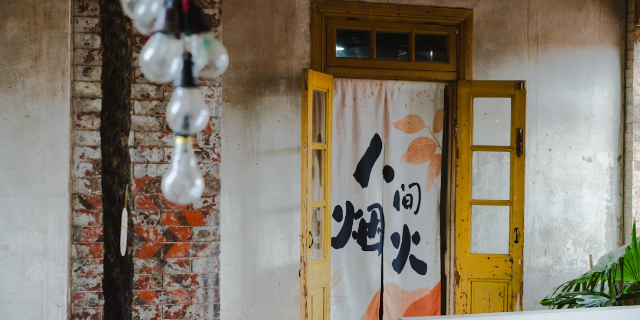
For years, homestays offered something many hotels could not: the feeling of living like a local.
A small apartment in an old neighborhood, a room filled with handmade decorations or breakfast prepared by the host could make a trip feel more personal. For young travelers in particular, such places often seemed more interesting than a standard hotel room.
But charm may no longer be enough.
Some travelers are becoming more careful when choosing where to stay. A room can look warm and inviting in photographs, yet the actual experience may depend heavily on the individual host. Cleanliness, safety and service can vary greatly from one property to another.
A poorly cleaned bathroom or untidy bedding can quickly ruin the mood of a trip. So can a door that does not lock properly or a host who cannot be reached when something goes wrong. Once these experiences are shared online, they may also influence many future guests.
Hotels usually operate under more consistent rules. Guests know there will probably be a reception desk, a regular cleaning service and someone available to handle problems. A homestay may offer a more memorable room, but travelers sometimes have to accept more uncertainty in return.
Convenience is becoming increasingly important as well. Many modern hotels offer digital check-in, smart locks and instant online assistance. These details may sound less romantic than a friendly conversation with a local host, but they can make a real difference after a delayed flight or a tiring day of sightseeing.
Travel habits are changing too. Not every young visitor is searching for a beautiful room with a story behind it. Some simply want a clean, safe and well-located place where everything works. They may spend most of the day outside and see their accommodation as a base rather than the main attraction.
This does not mean the end of the homestay. Many travelers still enjoy the extra space, unusual locations and personal character such properties can provide. A thoughtfully run homestay can offer an experience that a large hotel may struggle to match.
The problem begins when "character" is used as an excuse for unreliable service. A stylish room cannot make up for poor hygiene, confusing check-in instructions or a host who disappears at the first sign of trouble.
To remain attractive, homestay operators may need to combine personality with professionalism. Clear information, reliable cleaning, secure facilities and quick assistance are no longer optional extras. They are basic expectations.
Travelers have not necessarily stopped caring about atmosphere. They have simply become less willing to choose atmosphere at the expense of comfort and peace of mind.
The homestay of the future may still feel like someone's home — but it will also need to work as smoothly as a good hotel.