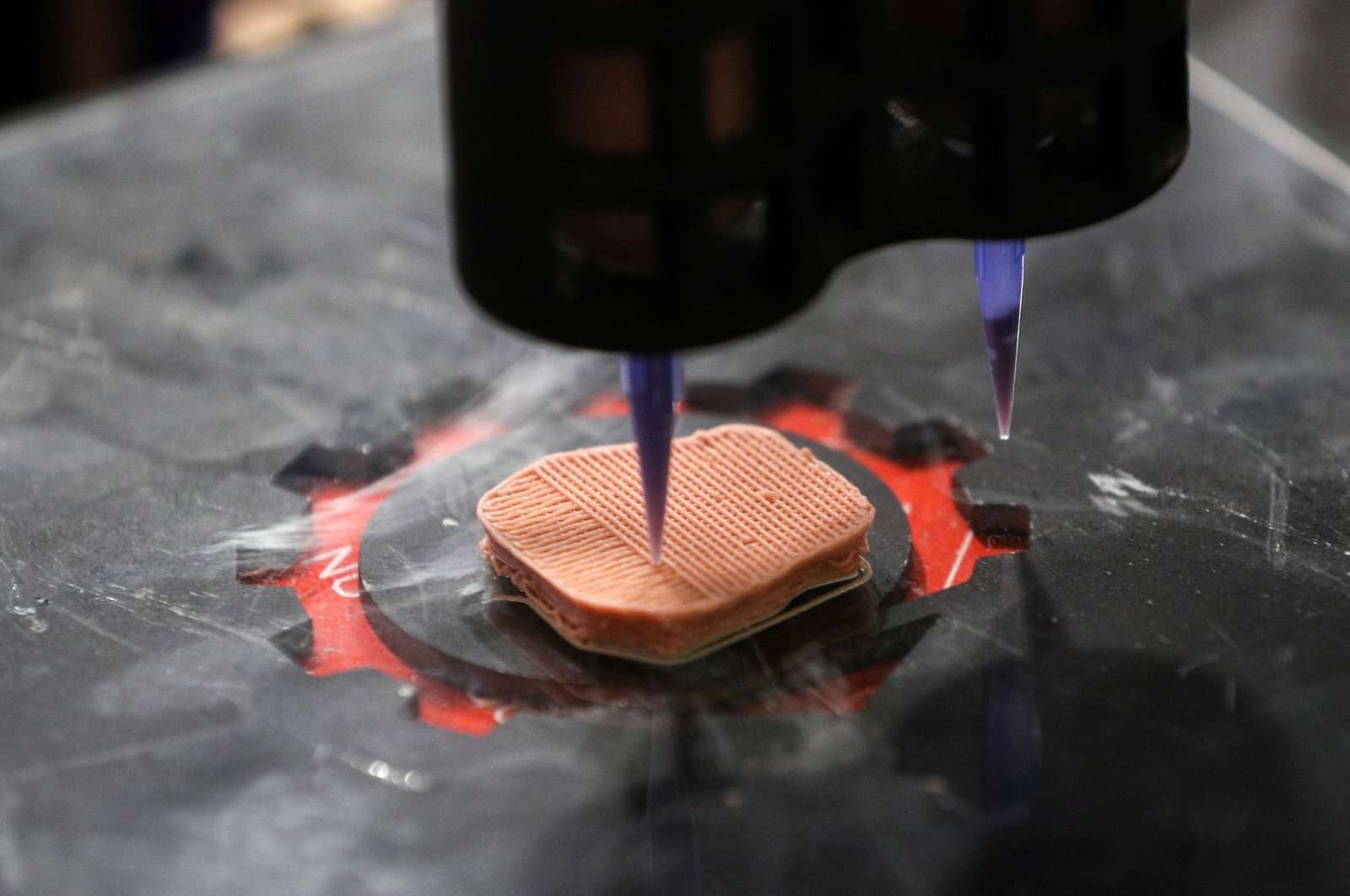
There is little to love about plastic. Most of the manufacturing processes still rely on fossil fuels, it often takes generations to decompose, and its microscopic residue lingers across the planet. But chemical engineers at Southern Illinois University (SIU) Carbondale are developing a NASA-backed process that uses waste plastic to produce food ingredients that may eventually be safe to eat.
According to work presented this week at the fall meeting of the American Chemical Society (ACS), reprogrammed yeasts can now turn plastic and even agricultural waste into flavoring molecules and digestible proteins.
"We were trying to develop technologies for plastic upcycling to make more valuable products," explained SIU microbiologist Lahiru Jayakody. "We thought, why not focus on making food? Because plastic is carbon and food is carbon."
The team's method focuses on polyethylene terephthalate (PET), a common variant usually seen in plastic bottles. PET is laden with carbon, and that means it hypothetically can be repurposed into protein-like molecules. This can be done in a laboratory with solvents and chemical additives, but another creative option may involve enlisting microbes like yeast in the cause. It's far from the first time scientists have reprogrammed the tiny organisms to help humanity. Insulin, for example, was once obtained from animals, but the industry now predominantly harnesses altered yeasts. Jayakody wants to apply similar principles to the planet's plastic problem.
"The way to address that, I believe, is by using microbes," he said.
Researchers recently reprogrammed various yeasts, including those normally used in baking, to crave the molecules inside both plastics and agricultural byproducts. They then ran PET plastics, corn stalks, and other biomass leftovers through a novel process called oxidative hydrothermal dissolution. As the name implies, water and oxygen are heated to an extremely high temperature, which breaks down the unwanted materials into microscopic debris. The reprogrammed yeasts are then introduced into the solution, where they get to work devouring the previously unappealing compounds.
The yeast then produces multiple cornerstone food molecules like acids, fats, and proteins. These components are finally combined with sweetener and starch to make a paste that can be 3D-printed into high-protein cookies that chemists have dubbed µBites (aka "microbites").
The futuristic treats received high ratings for aroma, but researchers still need institutional approval before anyone can taste them. The results therefore do not yet show whether the cookies are safe or pleasant to eat. In the meantime, engineers are also programming yeasts to convert other plant biomass into vanilla flavoring, as well as turn PET's ethylene glycol into beta-carotene that serves as a reliable source of vitamin A.
Jayakody's team envisions future iterations of µBites and similar upcycled foods as a valuable menu item in resource-restricted environments like long expeditions and even space — hence the funding from NASA's Deep Space Food Challenge. However, the immediate benefits may be far more terrestrial. Jayakody cites recent reports that estimate global food demand rising as much as 56 percent by 2050, which would put considerable pressure on how the world produces food.
"Microbes are very clever. So, we are using their traits to solve the problems we created," he said.