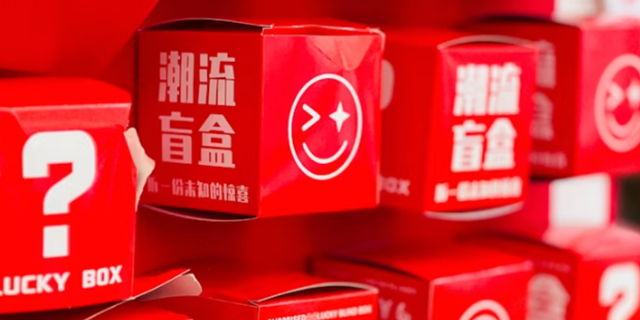
When Miyuru de Silva walked into a Pop Mart store on a weekend afternoon in Tianjin, she wasn't sure what to expect. She picked up a blind-box toy — a sealed package that could contain any one of dozens of different collectible figures — paid for it, and tore open the packaging. The moment of surprise was half the fun. When she found out which figure she'd received, she immediately posted a photo online. Within minutes, friends back in Sri Lanka were asking where they could buy one.
"I used to buy traditional souvenirs like tea and silk when I first came to China," says Miyuru, a Sri Lankan student studying in the city. Now her weekends look very different: sipping trendy milk tea, browsing designer toy stores, attending music festivals and exploring city neighborhoods alongside Chinese friends.
Her story reflects a broader shift in China's consumer culture. A new wave of spending, driven largely by young people, is reshaping not only the domestic market but also the tastes of consumers around the world.
At the heart of this shift is what many call the "guzi economy" — a booming market for merchandise tied to popular characters and original intellectual properties. Collectible toys, character-themed accessories and limited-edition products have become genuine cultural phenomena. Overseas visitors now line up outside flagship toy stores on famous shopping streets and seek out the trendy beverage shops and creative markets popular among young local consumers. On international social media, hashtags like "China Travel" and "China Shopping" continue to attract growing audiences.
Russian visitor Golubeva Ekaterin was among those drawn in. While browsing a shop in Tianjin, she carefully selected Chinese-themed creative products as gifts for family and friends back home.
"I like buying gifts with distinctive Chinese characteristics," she says. "They are creative, affordable and reflect Chinese culture."
Music culture is another draw. Azzi Mohammed, a Yemeni student at a university in Tianjin, attended a local music and arts festival that combined live performances with craft markets, food stalls and interactive activities.
"It was a great place to meet new people," he says, calling it one of his most memorable experiences.
What's driving all of this? Experts point to a maturing innovation ecosystem, a strong manufacturing base and a surge in original creative talent — forces that are enabling homegrown ideas to become globally competitive consumer products.
"Young Chinese are no longer simply following global consumer trends — they are helping create them," says Pang Hua, a media and communication professor. "As Chinese brands, products and lifestyle experiences gain international recognition, they are influencing how young consumers around the world discover and engage with Chinese culture."
From blind boxes to bubble tea to outdoor music festivals, a new generation of homegrown trends is finding fans far beyond its borders.