As China's tourism industry matures and culture and tourism become ever more intertwined, travelers now have access to a growing range of options. Among the many types of tourism, industrial tourism stands out for its distinctive appeal, emerging as a highlight of quality travel.
The electric vehicle factory of Xiaomi, located in Beijing's Yizhuang, is a sprawling complex. On a recent weekend, Ms. Zhang arrived early with her 10-year-old son and joined the queue outside the factory gates.
Accompanied by a guide, Zhang and her son first toured the exhibition center, then moved on to the workshops.
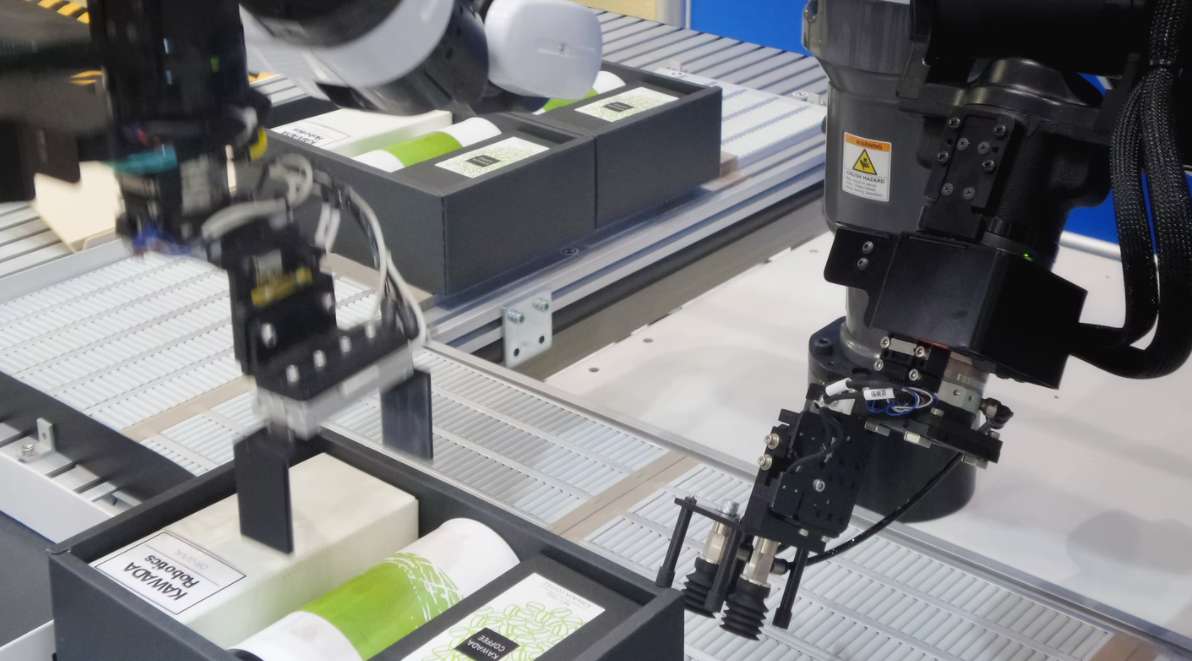
Robots were everywhere they looked. Some glided down the aisles carrying parts, while others swung their arms over the line without ever pausing. Zhang's son pressed against the railing and refused to move on, and he was still talking about the machines long after the tour ended. "I thought a factory visit would be dull," Zhang said. "It turned out to be livelier than a scenic spot on a holiday."
Factories are not the only workplaces opening their doors to visitors. In Zhenjiang, east China's Jiangsu Province, the China Vinegar Culture Museum spans more than 8,000 square meters and offers an immersive look into the world of vinegar making.
Inside the museum, veteran craftsmen demonstrate every step of the process, from steaming rice and fermenting the grain to preparing the vinegar mash, extracting the vinegar, simmering it down, and aging it.
Beyond the exhibition area lies the bottling workshop of Jiangsu Hengshun Vinegar Industry Co. The bottling facility is almost entirely automated. Few workers are visible; only rapidly flashing production data on digital screens and the steady roar of machinery fill the space.
On the museum's second floor, 8-year-old visitor Lele learned to identify China's four famous vinegars by their color, aroma and flavor. Before heading home, he picked out vinegar-jar fridge magnets and vinegar ice cream from the gift shop, taking a taste of vinegar culture home with him.
"The museum continues to introduce new tour routes and cultural products to give visitors a richer and more engaging experience," said Li Hong, deputy director of the museum.
An old workshop can also be reborn as something else entirely. The Liu Cixin Sci-fi Museum in Yangquan, north China's Shanxi Province, is dedicated to the celebrated science fiction writer and Hugo Award winner, and has become one of the city's new cultural landmarks.
"The buildings retain the original structure and layout of the old factory, which gives the place a unique atmosphere that many sci-fi fans really connect with," said Yang Fan, an interpreter.
"The old factory has taken on a new life," said Zhao Min, who helps run the museum. "Since opening, the museum has hosted more than 20 events, including science lectures and cultural salons."