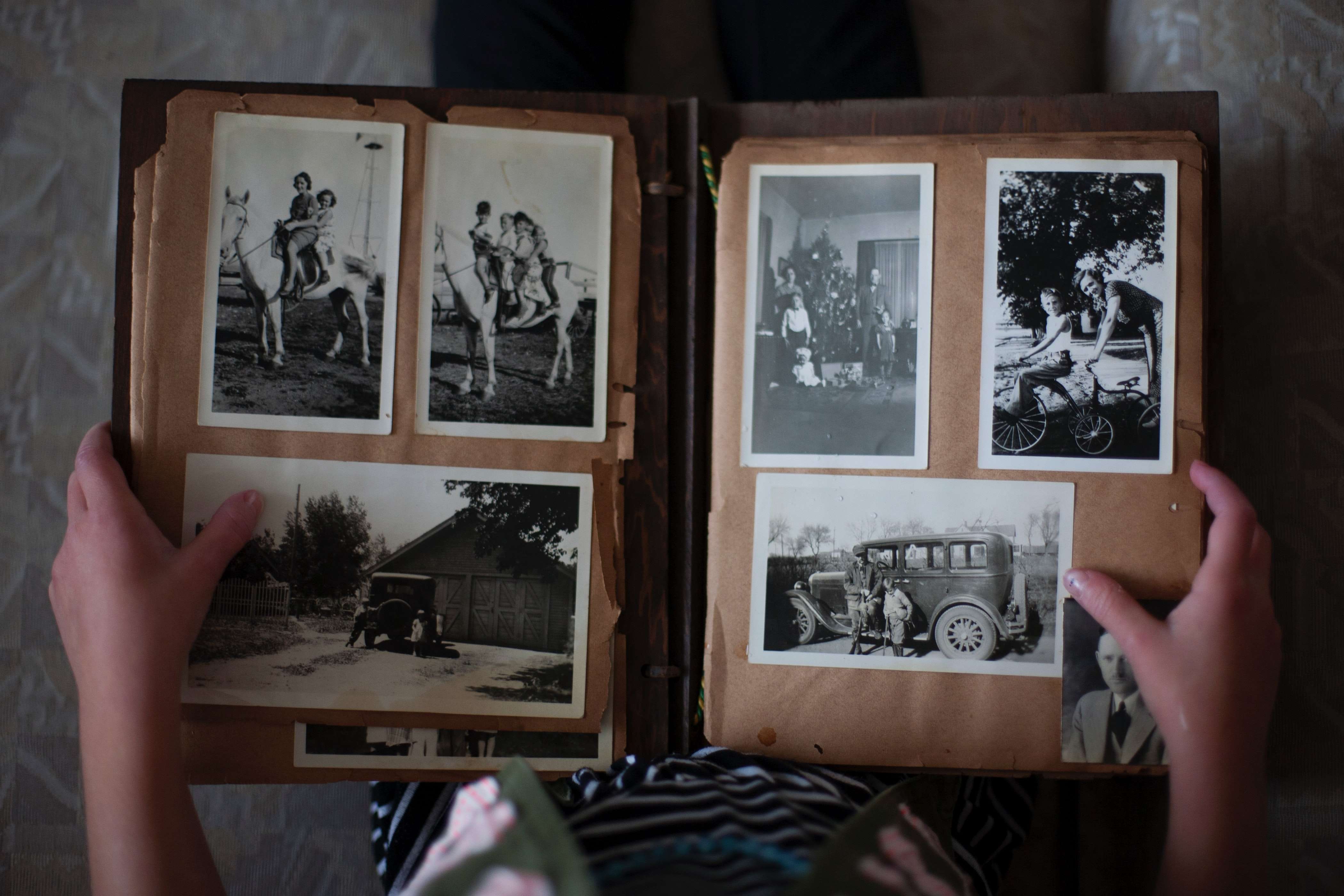
Years after a difficult holiday, the delayed flight, bad weather and minor arguments may have faded from memory. What remains is the sunset, the laughter and the meal everyone still talks about.
Memory is not a camera. It is an editor — and it does not treat every scene equally.
This helps explain why people across cultures and generations insist that life used to be better. Ancient writings contain complaints about society losing its former greatness, while modern conversations are filled with familiar claims about safer neighborhoods, better music and simpler childhoods. The historical period changes, but the conclusion remains remarkably stable: the best days are behind us.
Behavioral scientist Ze Hong describes such beliefs as "decline narratives." They usually begin with an idealized golden age and present everything that follows as a gradual fall from it. Their persistence suggests that every generation is not independently discovering the end of civilization. Instead, human psychology may be repeatedly producing the same illusion.
One important mechanism is called "rosy retrospection." As time passes, people often remember experiences more positively than they judged them while they were happening. Annoying details lose their emotional force, while enjoyable moments remain easy to recall.
The present receives very different treatment. Its problems arrive without the softening effect of time. Today's bills must be paid, today's conflicts remain unresolved, and today's alarming news appears continuously on our screens. We compare this crowded, unfinished reality with a past that memory has already cleaned and edited.
It is hardly a fair contest.
Uncertainty widens the gap. The past may have been difficult, but its story is complete: we know what happened and how we survived it. The present is still unfolding, and the future contains risks we cannot see. During periods of rapid change, people often turn backward because familiar memories offer stability.
However, nostalgia and the belief that everything is declining are not the same thing.
Psychologist Tim Wildschut notes that nostalgic people do not necessarily believe life is becoming worse. Nostalgia can strengthen our sense of identity by connecting our present selves with earlier experiences. Because nostalgic memories often involve family members, friends and important moments, they can also increase feelings of belonging, meaning and optimism.
The problem begins when emotional comfort is mistaken for historical evidence. A childhood may feel wonderfully free partly because adults handled the rent, meals and schedules. An earlier technology may seem charming because we remember its novelty but forget its limitations. A former workplace may appear friendlier once its daily frustrations have disappeared from view.
None of this means the past was never better. Some things genuinely decline, just as others improve. The useful question is not whether a memory feels true, but whether the evidence supports the comparison.
When the "good old days" begin calling, it helps to become a careful historian of your own life. What difficulties have faded from the story? What improvements in the present have become too ordinary to notice? And are you missing a particular time — or the people, security and sense of possibility associated with it?
Nostalgia does not have to trap us in yesterday. Properly understood, it can reveal what we value and what we want to rebuild today. The past may be edited, but the feelings it preserves can still point us forward.