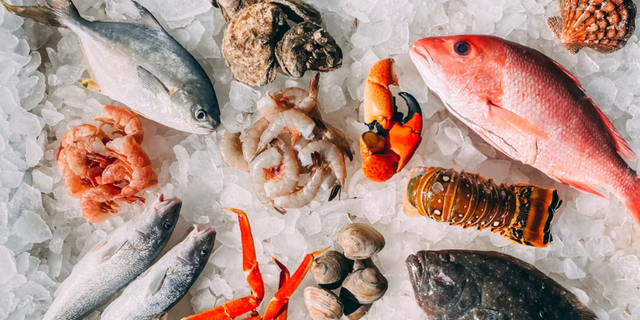
Tianjin has a long coastline, and its food is a beautiful blend of two worlds: half the flavor comes from the Bohai Sea, and the other half hides in the smoky, bustling breakfast stalls tucked away in the city's alleys.
Just an hour's drive from downtown Tianjin will bring you to Binhai New Area, hugging Bohai Bay. With 153 kilometers of coastline, the sea's freshest bounty takes center stage on every local table, all year round.
Locals here have a unique cooking method passed down for over 1,000 years: cha. It's the fishermen's secret to locking in the pure taste of seafood and preserving it for leaner times.
The technique is simple but clever: boil water with sea salt, soy sauce, ginger, scallions, peppercorns, and other spices to make a spiced broth. Then drop in fresh seafood, let it simmer slowly over low heat, and leave it to cool completely before eating or saving for later.
Seafood prepared this way is collectively known as badacha (eight great simmered delicacies). It often includes fish, shrimp, cuttlefish, conch, clams and squid. The result? Salty, umami-packed bites that preserve the ocean's original aroma.
This style of food was born from the hardworking lives of fishermen and salt workers in days gone by. Fishing and salt-drying were heavy labor, and sea salt helped replace salt lost through sweat and preserve seafood.
The sea was generous, but winter made it hard to find fresh fish and shellfish. Simmered seafood was easy to store, and was cheap and tasty with rice, so it became a household staple. The older generation made it much saltier; today the saltiness has been reduced, making the fresh taste even more prominent.
In 2013, badacha was officially listed as a Tianjin municipal intangible cultural heritage. Now, almost every local restaurant features it as a signature dish. At one popular seafood restaurant, founder Kang Yahui says the secret is all about heat control and timing.
"Each type of seafood has its ideal level of heat, spices and salt content," he explains. Once cooled, the seafood hits diners' mouths with a rich, salty aroma, and layers of freshness burst out.
Besides the traditional badacha, food lovers have found another must-try dish: pipixia guotie (mantis shrimp potstickers). Each thin sheet of dough is wrapped around three whole mantis shrimp. The bottom is fried until golden and crispy, while the top remains soft and tender. One bite, and sweet, briny shrimp juices burst out.
The vast mudflats of Tianjin's Binhai New Area produce plump, sweet mantis shrimp, and in summer locals buy dozens to freeze for later. They toss fresh shrimp, shrimp paste, or fish sauce into everyday stir-fries. Seafood is woven into every meal, even breakfast.
Yang Kangping runs a seafood restaurant in Tanggu, Binhai New Area, that has been open about 26 years. By 7:30 am, the place is buzzing. Long tables are loaded with fried shrimp, yellow croaker, beltfish, sea bass, shrimp paste and other seasonal seafood side dishes. Diners either wrap them in thin pancakes or enjoy them with jellied bean curd, a real energy-packed start to the day.
Born and raised in Tianjin, Yang says local residents have a rule: every meal must have a taste of the sea. Without seafood, the meal just feels incomplete.
But there's another breakfast that unites all of Tianjin. Jianbing guozi (savory Chinese pancake) is a universally recognized symbol of the city. The base is a thin pancake made from mung bean flour batter, then one or two eggs are cracked on top. It's spread with Tianjin's special sweet bean sauce and fermented tofu paste, and sprinkled with scallions.
In the middle goes either a crispy fried sheet of dough or a soft fried dough stick. Rolled up hot, the aroma of grains, sauce and oil mingles: simple, yet unforgettable.
Stalls selling it are everywhere. The funny thing is, locals don't have a single "best jianbing guozi place". They'll all say: "The one downstairs from my apartment is the most authentic." Many residential buildings even have a window on the first floor with a simple sign, where residents can buy jianbing guozi right from their neighbor's home kitchen, freshly made on the spot.
Bohai seafood is rich and satisfying; jianbing guozi is simple and comforting. But Tianjin's charm doesn't stop there. People here are naturally laid-back, unhurried and easygoing. This relaxed vibe is reflected in every street snack you'll find, like the sweet, sticky erduoyan zhagao (deep-fried glutinous rice cakes) and the crispy, layered mahua (fried dough twists). Just wander the streets and turn a corner, and you'll naturally discover your own favorite bite of Tianjin.