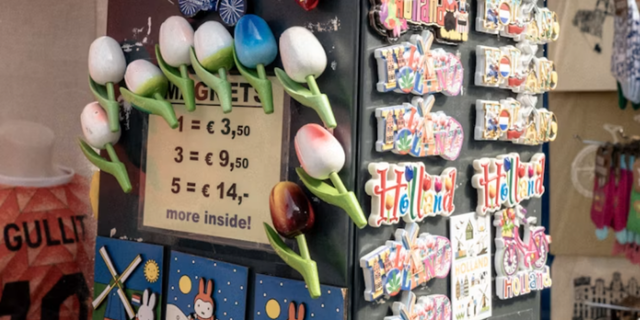
Somewhere in the world right now, someone is standing in a gift shop holding a snow globe, a fridge magnet, or a miniature landmark, wondering why they feel compelled to buy it. They probably don't need it. They probably won't display it. And yet — into the basket it goes.
This is one of the most universal rituals in travel. And the psychology behind it is stranger than you'd expect.
The Impulse We Can't Explain
Part of the answer lies in our brains. Research using brain-scanning technology has found that buying something unique lights up our neural reward circuits in a distinctive way. The pleasure center of the brain "burns most brightly" during the anticipation phase — before the purchase is even made.
But the psychology goes deeper than dopamine. Psychotherapists suggest we collect things as reminders of happy times. We rarely hold onto objects from trips we'd rather forget. Souvenirs, in this sense, are memory anchors — physical proof that we went somewhere and experienced something.
The Gap Between What We Buy and What We Actually See
The curious thing about souvenir-hunting is how little it has to do with the place being visited.
In Egypt, generations of tourists have sought fake papyrus, pyramid paperweights, and alabaster statues — objects no local would keep in their own home. In the markets of Kolkata, travelers drift toward carved elephant figurines and decorative jars of saffron, while local shoppers browse stainless steel pans and kitchen appliances. A rice cooker might be a far more accurate representation of everyday life there — but it wouldn't look as good on a shelf back home.
This disconnect isn't modern. Ancient travelers were just as prone to it. Vendors once sold supposed relics of the Trojan War to credulous visitors. Romans bought cheap glass vials painted with images of famous landmarks — an early prototype of the fridge magnet. Medieval travelers collected pebbles and fragments from sacred sites, amassing trinkets by the armful.
Souvenir hunting, it turns out, has never really been about the destination. It's a litmus test for our own fantasies and preconceptions about a place.
The Souvenir That Actually Works
One travel writer noticed something strange when he returned from journeys through Mongolia and Syria. He had brought back beautifully crafted masks and worry-beads. But looking at them on his shelf, they didn't summon his travel memories with much force.
What did? A beat-up athletic t-shirt he had worn across the steppes and into mountain monasteries. He hadn't bought it as a souvenir. He had simply worn it.
When he bought the masks and worry-beads, he was shopping. When he wore the t-shirt, he was there.
The best souvenir, it turns out, might not be a souvenir at all. It might just be the thing you happened to be wearing when something memorable occurred.
Buying Better
None of this means we should stop buying things on our travels. Artisanal goods bought directly from makers can be an economic lifeline for local communities, preserving traditional crafts passed down through generations. The difference is intentionality.
Before reaching for a mass-produced trinket, it's worth pausing to ask: does this object carry enough meaning to stay on my shelf forever? Or am I buying it simply because I'm somewhere that makes buying things feel expected?
It is good to collect things. But it is better to go on walks.
The open road has always been better than whatever they're selling at the gift shop.