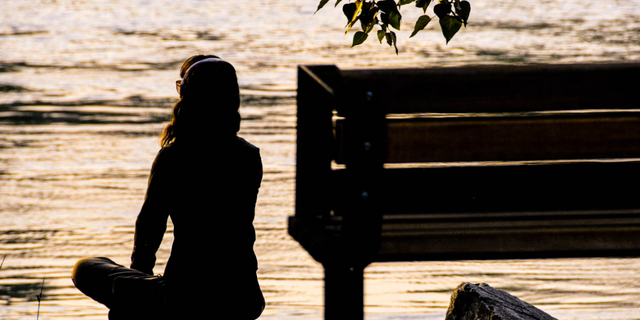
Think about the last time you felt genuinely at ease among other people — not performing, not networking, just present. Maybe it was a regular weekend spot where the same faces showed up week after week. Maybe it was a park bench conversation with a stranger about nothing important, and you walked away feeling unexpectedly lighter.
That feeling has a name. Sociologist Ray Oldenburg called the places where it happens "third places" — not home, not work, but somewhere in between. The neighborhood café. The barbershop. The corner bar. The dog park. Places where community doesn't get scheduled; it just happens because people keep coming back.
For a while, those places quietly disappeared. Remote work erased the office watercooler. Nightlife got expensive. Social media promised connection and delivered scrolling instead. A recent survey found that the majority of adults feel lonely not because they lack online followers, but because they aren't part of any meaningful group in the physical world.
The loneliness is real. But so is the answer.
What Makes a Third Place Work
Not every café or gym counts. What makes a genuine third place, Oldenburg argued, is a specific kind of atmosphere: affordable, easy to reach, open long enough to become part of a routine, and — most importantly — informal enough that people can simply be themselves.
A third place doesn't need to be beautiful. It needs to be somewhere you keep returning to. And the more you return, the more familiar faces appear. A dog park operates on the same logic a neighborhood bar once did: your dog needs a walk every day, the space gets you there, and the conversation follows. What begins as a nod becomes a chat. What begins as a chat becomes something you look forward to.
The real currency of a third place is not the coffee or the cold plunge. It's the low-pressure encounter with someone whose life looks a little different from yours.
Why 2026 Looks Different
Third places didn't just quietly return. They came back on purpose — and in new shapes.
Run clubs got there first. The economics make sense: a night out with drinks can drain your wallet fast. A run club costs nothing beyond decent shoes. More importantly, it strips away the social pressure. Nobody is trying to impress anyone mid-mile. You show up, you move, and conversation happens because there is nothing else to do with the silence.
Wellness spaces followed with the same instinct. Sauna and cold plunge clubs — where guided sessions replace bartenders and shared ice baths replace small talk — have attracted visitors who describe them less as fitness venues and more as places to be genuinely social without the hangover or the tab. It is the same value proposition as a run club, just warmer and then very, very cold.
Music and culture are catching up. Some artists have begun hosting collaging sessions and recurring small gatherings around their work, inviting fans to make physical art together while music plays in the background. The result feels different from a traditional performance — closer to what a third place offers: a reason to return that has nothing to do with a release calendar, and everything to do with wanting to be in the same room as certain people again.
Specific, Not Generic
Perhaps the most interesting evolution is that third places are getting more precise. The classic third place — the town square, the local pub — served everyone who happened to live nearby. The new ones are often built around shared identity as much as shared geography: culturally specific membership clubs, creative communities, groups organized around a niche interest or background. The global membership club market is projected to reach $59 billion by 2033.
What draws people in isn't exclusivity. It's the relief of being in a room where your references and your way of moving through the world are already understood — where you don't have to explain yourself before the evening can begin.
The Simplest Thing
At its core, what's driving all of this is not complicated. People want somewhere to go that isn't home and isn't work. They want to be around others without performing. They want the kind of accidental conversation that leaves them feeling less alone.
The third place has always known this. A dog starts a conversation. A run builds a friendship. A shared cold plunge quietly grows into a community.
What's new is that people are building these spaces on purpose — because they finally noticed how much they'd missed them.