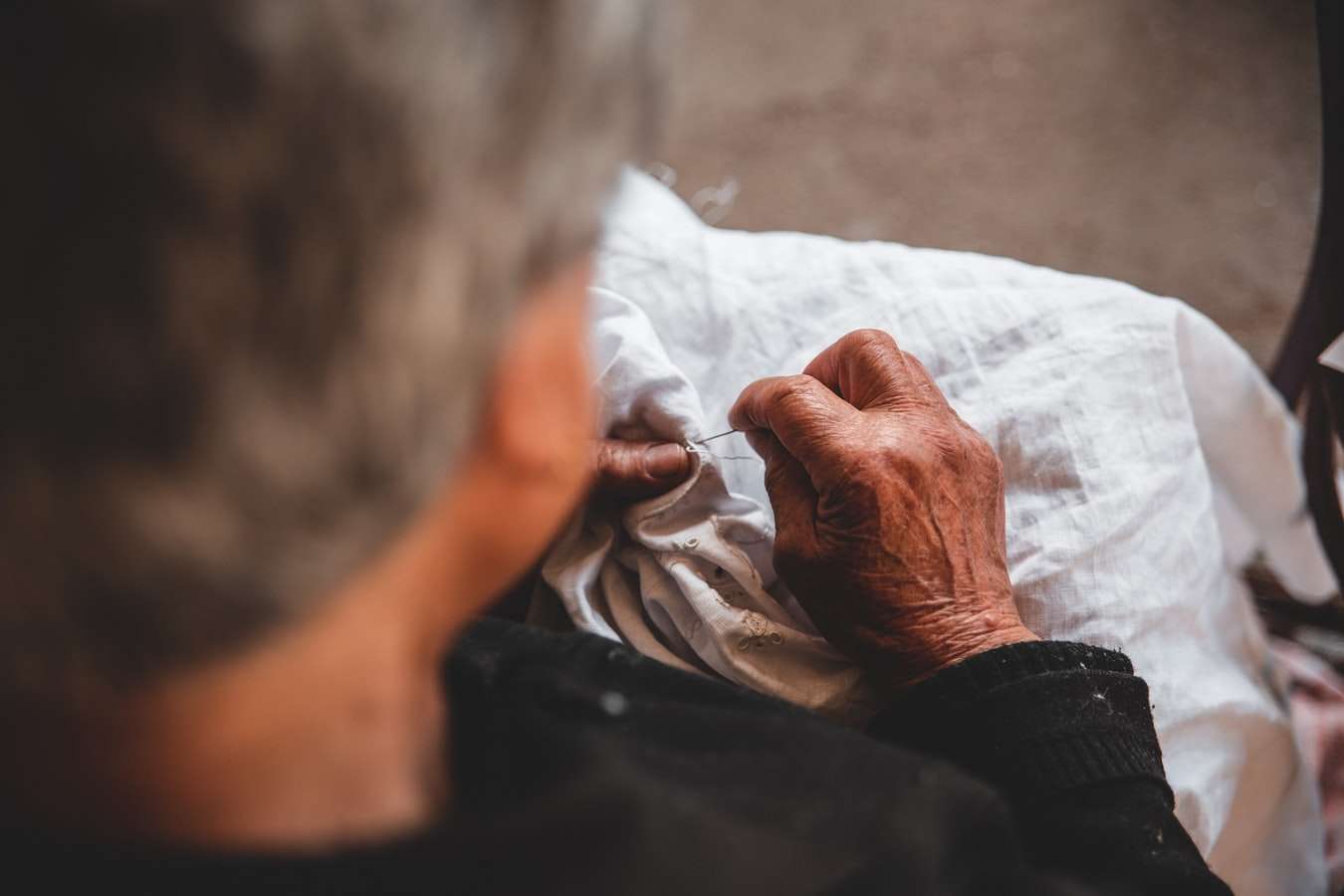
At a Levi's workshop, the lesson begins with four small disasters: a missing button, a loose hem, a hole and a tear.
For 90 minutes, students learn to repair them by hand. They leave with better sewing skills — and perhaps one less reason to buy new jeans.
That sounds like a strange strategy for a clothing company. Yet Levi's, Uniqlo, Primark and other retailers have discovered that helping customers keep old garments can also build loyalty.
Selling fewer clothes, gaining more trust
Many young shoppers are interested in secondhand fashion and reducing waste, but not all of them know how to sew. Levi's created its "Wear Longer" workshops partly to close that gap. The company also offers repair and customization services in hundreds of stores.
Other brands are trying similar ideas. Uniqlo provides repairs, embroidery and sashiko, a traditional Japanese stitching technique. Primark has held more than 700 free workshops where customers learn to replace buttons and fix zippers.
These services are practical, but they also improve a brand's image. For Generation Z, repairing clothes can save money, reduce waste and make an ordinary item feel more personal.
Detroit shopper Chloe Halprin once threw away inexpensive clothes when they developed large tears. Now she buys mainly secondhand pieces and has learned to use a sewing machine. She even hopes to turn an old skirt into a shirt.
One needle against a mountain of waste
The problem is much bigger than a torn pocket. The United Nations estimates that the world dumps or burns one garbage truck's worth of textile waste every second. Clothing production roughly doubled between 2000 and 2015, while garments were worn fewer times.
Repairing a shirt keeps that particular shirt in use. But critics warn that a few workshops cannot balance out an industry that continues producing enormous amounts of new clothing. If a fast-fashion company teaches customers to mend old jeans while constantly releasing new collections, repair becomes an addition to overproduction rather than a solution.
Mending is also difficult to turn into a profitable service. It requires time and skilled labour, yet customers generally expect repairs to be cheap. Some fashion companies therefore want tax policies that would make repair and resale more affordable.
Retail repair programs will not solve fashion's waste problem by themselves. Their value depends on whether people genuinely wear clothes longer and buy fewer replacements.
Still, the idea marks an interesting change. Fashion stores once focused almost entirely on selling something new. Now some are asking customers to bring back what they already own.
A needle and thread may never earn as much as another shopping bag. But they could help brands create something harder to manufacture: trust.