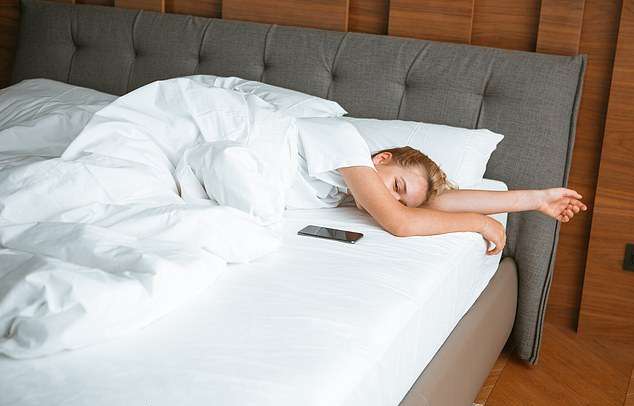
I don't have the world's best sleep hygiene. I limit caffeine after the morning, try to get into bed early, and keep the lights dim in the early evening. But when it comes to screen time? I don't really limit that at all.
As someone with an anxiety disorder, my sleep tends to be a bit of a mess. I typically don't have trouble falling asleep, but I wake often — sometimes I'm up for a few hours in the middle of the night. And I definitely notice a correlation between doomscrolling on my phone and frequent nighttime wake-ups.
When I sleep poorly, my anxiety tends to spike, which causes a never-ending cycle of sleeplessness and anxiousness. That's why the idea of a nightly digital detox intrigued me. Something to fix my broken sleep cycles? Something to soothe my anxious soul?
Sign me up.
I decided to stop scrolling my phone for the last hour and a half of each day for a week. One caveat: I did end up checking my phone right before sleep, because I have two kids who sometimes text at night and an elderly parent I care for. But I didn't scroll, and I put the phone away for at least 90 minutes before that last check.
Day one was the hardest. I kept reaching for my phone without meaning to — it was an instinct, a reflex. But I was aware of it, and I put the phone away.
By day two, it felt more like an itch than a reflex. I ended up hanging out with my husband and kids for an hour before bed, with no phones. It was lovely, and I slept very well that night.
Day four brought a new challenge: distressing breaking news I'd seen earlier. But I didn't check. I noticed how much more at peace I felt during those evening hours compared to other times when breaking news stressed me out.
By day seven, I felt the effects of the detox the most. Not only did I not reach for my phone, but I didn't even have the passing thought that I'd like to. I slept great. Even the next morning, I had much less desire to scroll — only about 30 seconds before starting my day.
Blue light from electronic screens can interfere with our circadian rhythms and lead to poor sleep. "Eliminating the use of digital devices in the latter half of the day drastically improves sleep quality thanks to reduced exposure to blue light, which lowers melatonin production," says Michael S. Valdez, MD.
Scrolling through your phone at night is also a bad idea if you are prone to anxiety. By stepping away from screens, you're "giving your nervous system a chance to shift into a calmer, more restful state," says Tim Kleinknecht, LCSW. This can make it easier to fall asleep, stay asleep, and generally feel more grounded.
"Scrolling late at night can keep your mind in a reactive, alert state, especially if you're reading stressful news," Kleinknecht says. People often get triggered by something they see and then ruminate on it — increasing anxiety and interfering with sleep.
"It's really about creating a more mindful nighttime routine, one that gives your body and brain a clear signal: 'Hey, it's time to rest.'"