On hot summer days, many Chinese consumers seek refuge in air-conditioned shopping malls. But these days, they may find more than just stores and restaurants inside. They might discover an unexpected talent and perhaps even win a tiny gold bean.
A month ago, Qian Jinfeng, a resident of Jiaxing, a city in Zhejiang province, unexpectedly became the champion of a pea and garlic peeling competition held at a shopping mall near her home. She defeated nearly 100 competitors, including a "professional" rival sitting next to her — a middle-aged homemaker with years of kitchen experience.
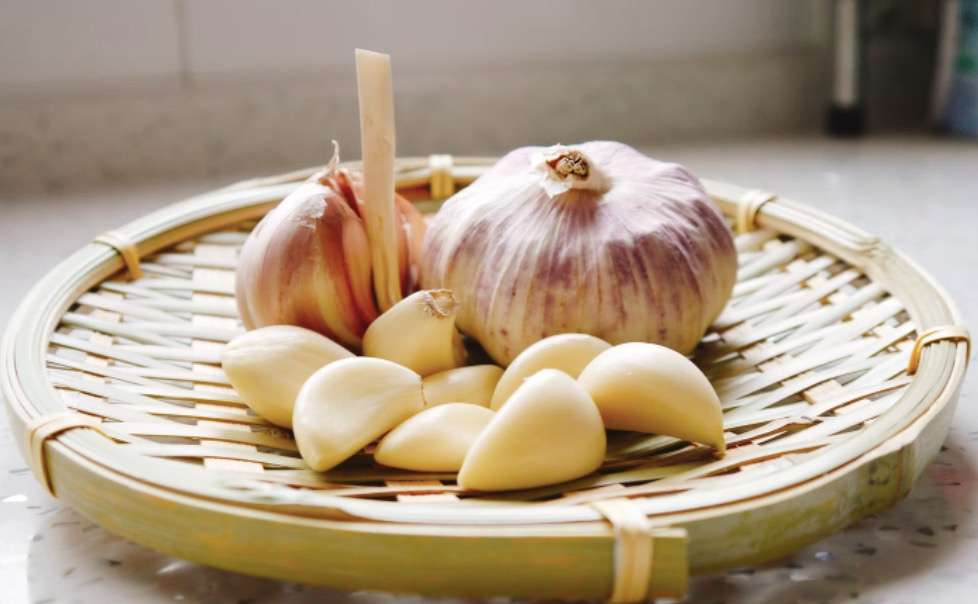
The rules were straightforward. In the first round, contestants shelled green peas, with the fastest 50 advancing to the final. They were then required to peel 40 cloves of garlic completely and neatly. The winner would receive a small piece of pure gold shaped like a bean.
Even Qian was surprised by her victory. She had little experience in the kitchen and entered the competition almost by chance. She had accompanied her niece to the mall when she noticed a crowd gathering around a poster promoting what she considered a "ridiculous" contest. "I just thought it looked fun," she says.
Such seemingly pointless competitions are becoming increasingly common in shopping malls across China. From "nonsense presentation contests" to auctions of strange-looking objects, malls are turning ordinary, even useless, everyday activities into public spectacles.
Bao Ciguang, an event planner at a shopping mall in Ningbo, Zhejiang, describes the trend as "the year of folk competitions". "People are looking for simple happiness," he says.
The turning point came in March, when Bao's team organized a "bead puzzle competition", a handicraft activity popular among young people. They expected 200 to 300 participants. But after the event spread online, more than 780 people signed up almost immediately.
"My first reaction was, 'Are we getting ourselves into trouble?'" Bao recalls. The team quickly adjusted its budget and logistics. Eventually, more than 2,000 people took part.
His inspiration came partly from casual games played at small gatherings in Beijing and Shanghai. A reality show about young people experiencing rural life also led the mall to organize its "first 'national' rice planting competition". Inside the shopping mall, organizers built a simulated rice field. Contestants had to plant seedlings within a limited time while keeping them straight and stable. Over two days, about 1,000 people joined the event.
The competition attracted people of all ages, with the oldest participant reaching 78. At first, organizers hesitated to allow the elderly contestant to join. But she insisted. "I work in the fields every day. Don't worry about me," she told them.
Bao noticed that older participants with farming backgrounds often moved through the muddy field with ease, while younger contestants struggled. "They walked as if they were on flat ground, while young people looked like they were trapped in a swamp," he says.
Zhang Chao, a 31-year-old participant, experienced this firsthand. Having planted rice only once as a child, he was quickly defeated by the older woman competing beside him. She even offered him tips during the race — but he still lost.
For Bao, the appeal of these competitions goes beyond entertainment. "Young people can learn where rice comes from and understand the importance of food. Older visitors may reconnect with memories from their childhood," he says.
After organizing dozens of competitions, Bao says he has learned one lesson: "Sincerity is the ultimate weapon." As he puts it: "For these small competitions, happiness comes first. The contest comes second. So what if you don't win?"