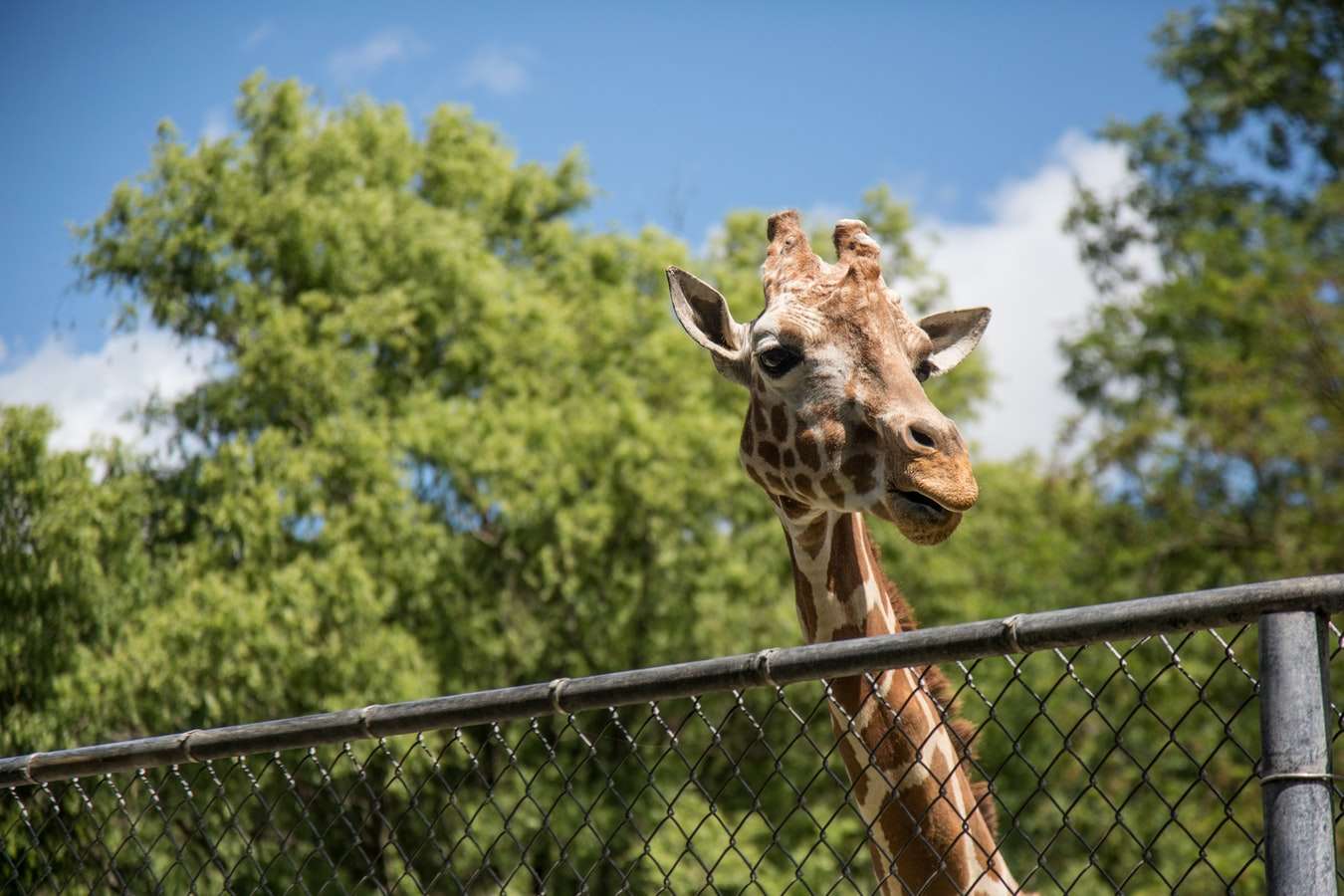
A giraffe slowly wraps its purple tongue around a wet green leaf. High in a tree, a sleepy koala lifts one paw and scratches its belly as if it were playing an invisible piano.
Most zoo visitors might take a quick photo and move on. At Nanjing Hongshan Forest Zoo, however, some people stop long enough to turn such moments into poetry.
The zoo has invited members of the public to write poems inspired by its animals. The idea attracted office workers, students, young children, retirees and zookeepers. From the many entries came a collection of 52 poems — one for every weekend of the year.
The writers did not simply describe animals by name. They paid attention to the small details that appear only when someone waits patiently.
One poet, who had worked as a zoo volunteer, remembered watching a red panda calmly eating fruit in a tree. He also saw a koala make the lazy scratching movement that he jokingly called "playing the piano."
These scenes might last only a few seconds. To witness them, a visitor may need to stand quietly for 15 minutes — or even an hour. That waiting changes the experience. Instead of treating an animal as something to photograph, the observer begins to notice its habits and personality.
A primary school student took a more imaginative approach. Inspired by a film in which museum objects come alive after dark, the student wondered what the zoo might be like after the gates closed.
The resulting poem imagined sloths, giraffes and owls beginning their secret nighttime lives while the city slept.
Other participants joined writing workshops inside the zoo. They first watched the animals in their habitats, then returned to a classroom to turn their observations into poems. The goal was not to produce perfect writing, but to encourage people to look more closely.
One online contributor became so interested in meerkats that a single poem grew into an entire series. The writer recorded how members of the group interacted, rested and followed their daily routines. Writing created a reason to return, and each return revealed something new.
Facts can tell visitors what an animal eats, where it comes from and how long it lives. Poetry asks different questions: What does the animal's movement remind you of? What mood does it create? What happens when you watch it without rushing?
The poems also offer visitors a break from busy daily life. Inside the zoo, time moves differently. A person may spend an hour waiting for one small moment — and discover that the waiting is part of the pleasure.
A photograph captures what an animal looks like. A poem can capture what it felt like to stand nearby.
Perhaps that is the real value of writing at the zoo. It turns visitors from passing spectators into careful observers. And when people look closely enough to find a poem in a giraffe's tongue or a koala's paw, the distance between human life and the natural world becomes a little smaller.