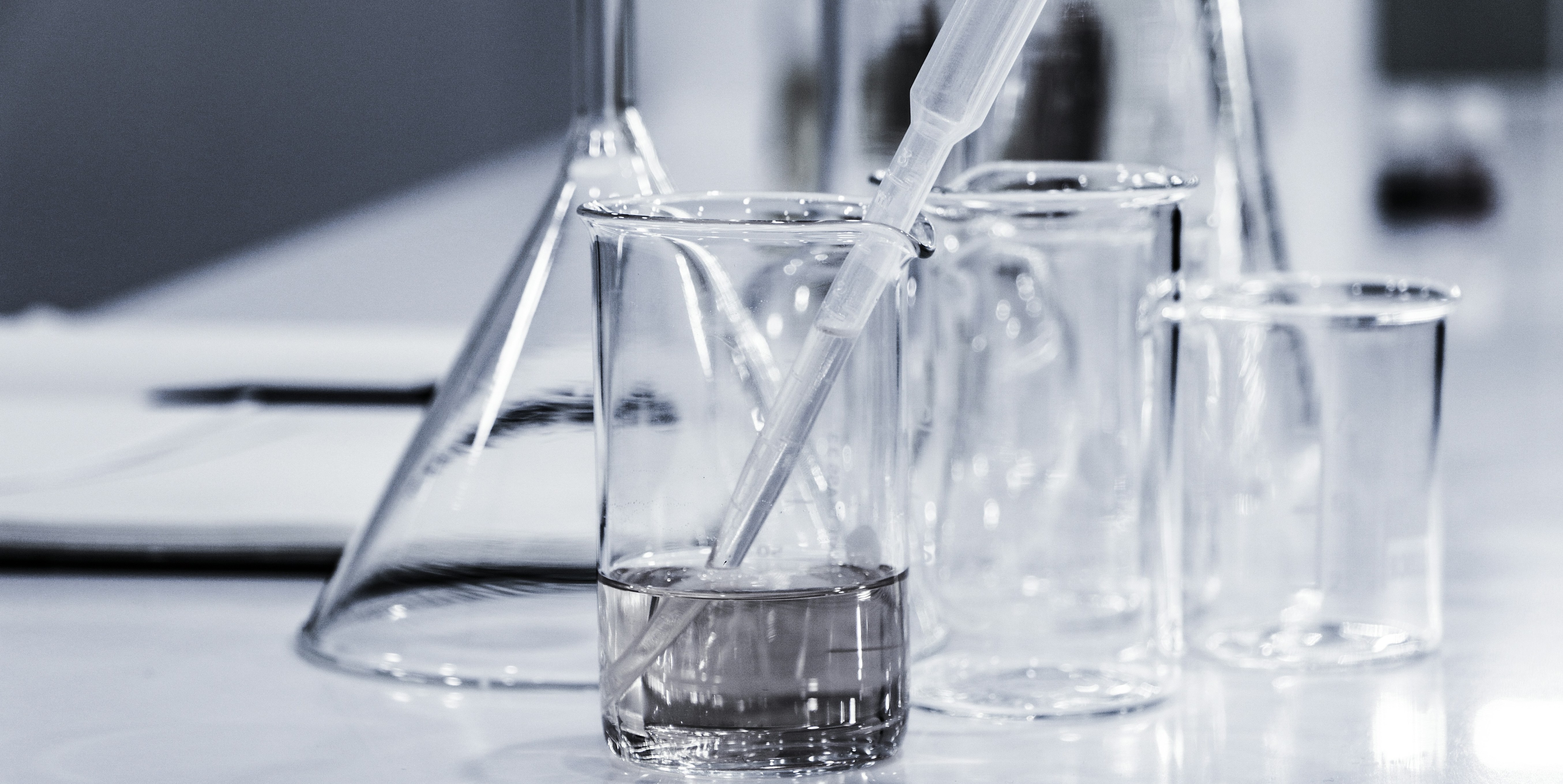
The thermometer reads 86 C. Beeswax, oils, and pigments slowly fuse in the heat before being poured into a mold to cool and set. The result? A lipstick, crafted from scratch by a student.
This scene is part of a popular general education course at Beijing Institute of Technology: The Chemistry of Cosmetics. Taught by Feng Caihong and Wang Ye from the School of Chemistry and Chemical Engineering, the class has earned high praise for blending scientific principles with hands-on practice.
According to China Youth Daily, the 32-session course dedicates 26 sessions to theory and six to lab work. A highlight is the hands-on component. When making a face mask, for instance, students must precisely measure ingredients and master key techniques like solubilization, emulsification, and preservation, gaining insight into the science of formulation.
The course also emphasizes practical life skills. Students learn to analyze ingredient lists and tackle real-world questions like "Why is my skincare pilling?" and "How should sensitive skin choose sunscreen?" — turning chemistry into a practical tool for everyday life.
Feng focuses on foundational theories, using everyday examples to make abstract concepts relatable. Wang concentrates on applications and lab guidance, offering detailed instruction on core cosmetic technologies and precise feedback on experimental techniques.
Wang, who believes that "chemical engineering changes the world, and chemistry creates the future", designed the course to let students experience the beauty of chemistry through DIY cosmetics. In class, she uses real-world examples to teach how to be an informed "ingredient-conscious" consumer. After class, she helps students navigate product choices and encourages them to select cosmetics that balance safety with personal preference.
When students raise concerns about sensitive skin, the instructors offer science-backed advice on skin barrier repair. When questions arise about trending products, they organize ingredient analyses to promote mindful consumption.
Many students say they now check ingredient lists before buying skincare, moving beyond blind trust in brands or influencers. The course is in such high demand that spots fill up almost immediately after registration opens.