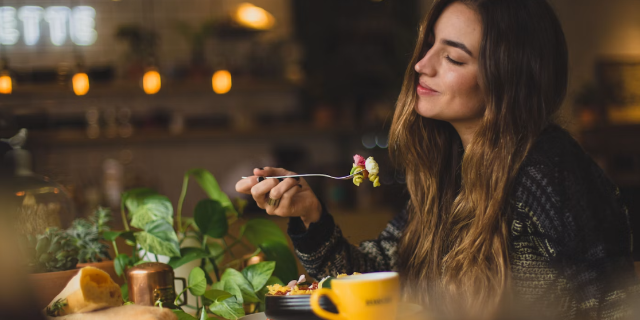
A table for one once carried an uncomfortable message. People might assume that a solo diner had been stood up, had no one to eat with or simply wanted to finish a meal as quickly as possible.
That image is changing. More people are now choosing to eat alone — not because they have to, but because they enjoy the freedom.
Recent data from restaurant booking platform OpenTable shows that reservations for one have jumped 23% over the past year. Solo diners are also willing to treat themselves: they spend more per person on average than customers dining in groups. The figures suggest that eating alone is becoming a planned experience rather than a last-minute solution.
For many people, the attraction is control. A solo diner can choose the restaurant, order exactly what they want and leave whenever they like. There is no need to compare schedules, agree on a menu or keep a conversation going.
Eating alone can also change the pace of a meal. Without someone sitting across the table, diners may pay more attention to the food, the room and the activity around them. Some bring a book or sketchpad. Others sit at the bar and watch the kitchen staff work. A meal becomes a quiet pause rather than another social event.
This does not mean that people have stopped enjoying meals with friends and family. Shared meals remain an important pleasure. Solo dining simply offers a different kind of experience — one centered on personal taste, time and attention.
Restaurants are beginning to notice the opportunity. A customer eating alone may once have seemed inefficient because one person occupied an entire table. But solo guests can be valuable customers, especially when restaurants make them feel welcome.
Some restaurants are adding more bar seating, where individuals can eat comfortably without feeling exposed. Others are creating flexible tables that work for either one person or a group. Foods traditionally designed for sharing, including pizza and wings, are increasingly available in individual portions. Tasting menus for one are also becoming easier to find.
Small design choices can make a big difference. A seat facing an open kitchen gives a guest something interesting to watch. A lively counter feels less awkward than a large empty table. Friendly service can show customers that dining alone is normal rather than unusual.
The trend is visible beyond formal restaurants. Fast-food and casual dining companies report that individual visits now make up a large part of their business. Specialty drinks, snacks and small treats are particularly well suited to customers who want a brief moment for themselves.
Of course, eating alone is not enjoyable for everyone. Some people still feel uncomfortable entering a busy restaurant without company. The experience also depends on whether the restaurant has been designed to welcome individual guests.
But the meaning of a table for one is changing. It no longer automatically suggests that something has gone wrong. Increasingly, it says that the diner knows what they want — and is comfortable enjoying it alone.