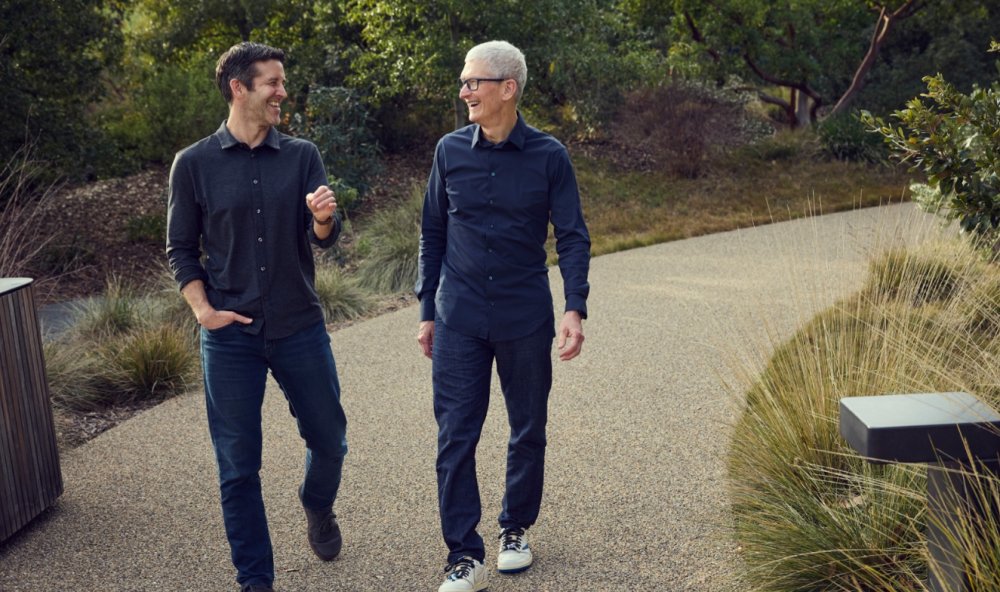
Apple has a new chief executive — but this is not a complete goodbye to Tim Cook.
On September 1, John Ternus officially succeeded Cook as Apple's CEO. Cook, who led the company for 15 years, moved into the role of executive chair. He will remain involved in the company while Ternus takes charge of its daily direction.
The arrangement reveals something important about Apple's approach. The company is not attempting a dramatic reinvention. Instead, it has chosen a leader who knows Apple from the inside — and who has spent most of his career building its products.
Ternus joined Apple's product design team in 2001. He later rose to lead Hardware Engineering, overseeing work across the iPhone, iPad, Mac, Apple Watch and AirPods. Although his name was unfamiliar to many customers, his influence was already present in the devices they used every day.
That makes his appointment feel both new and familiar. Apple has changed its leader, but it has not handed the company to an outsider with a completely different vision. It has promoted an engineer shaped by the same culture he must now guide.
This choice also reflects what Apple needs at this moment. Cook's greatest achievement was turning Apple into a much larger and more efficient global business. Under his leadership, the company expanded beyond computers and phones into wearables, digital payments and subscription services. It also began using Apple-designed processors in Mac computers.
Ternus inherits the success Cook created — but also the expectations that come with it.
Repairing a troubled company gives a new CEO an obvious goal. Leading a highly successful one is more complicated. Ternus must protect the products and services that already earn Apple enormous amounts of money while finding ideas capable of creating its next period of growth.
His engineering background may help. Apple's reputation still depends on physical products that feel simple, reliable and carefully designed. Ternus has worked on product durability, materials and repairability — details that rarely produce dramatic headlines but strongly influence whether customers trust a device.
However, running Apple requires more than building good hardware. Ternus must decide which technologies deserve investment, how quickly the company should change and what Apple can offer that competitors cannot easily copy.
His promotion therefore represents continuity, but not comfort. Apple's board has chosen someone who understands how the company works. Now he must prove that he knows where it should go.
For years, Ternus helped Apple answer one question: "How should we build this?"
As CEO, he must answer the harder one:
"What should we build next?"