When we think of treating ourselves, our minds tend to drift toward grand purchases, yet a moment's reflection reveals plenty of occasions on which you found pockets of joy while spending next to nothing. Being careful with your money, then, need not mean eliminating every small pleasure you love; in fact, experts advise against doing so.
"A $4 bouquet of flowers or a scoop of your favorite ice cream can deliver a surprisingly high emotional return for a very small financial investment," says psychologist Thea Gallagher, PsyD. "Our brains are constantly weighing costs and benefits, and when something provides a lot of enjoyment without much sacrifice, it often feels especially satisfying."
Consider this the case for the "micro-treat," since treating yourself is more than a phrase invoked to justify a "silly" purchase. "When we choose a treat for ourselves, we're also engaging in an act of agency," says Gallagher. "We're saying, 'I noticed what I wanted, and I responded to it.' That can feel especially meaningful in a world where so many people spend their days taking care of everyone else."
Used intentionally, Gallagher says, small treats can offer a range of psychological benefits. "They create moments of positive emotion," she explains, "which helps buffer against everyday stress."
Slowing down long enough to savor a small, enjoyable treat reinforces self-care by reminding you that your needs matter. It can also break the monotony of busy routines, she adds, a benefit particularly valuable to parents, caregivers, and people with demanding jobs.
Small treats may also help strengthen healthy habits. As she explains, consistently rewarding behaviors you want to sustain, such as exercising or finishing a challenging task, generally makes you more likely to keep doing them. For this reason, she encourages people to celebrate progress along the way rather than postponing any reward until they have reached their goals. "We often think motivation has to come first, but behavioral psychology teaches us that reinforcement helps create motivation over time," she says. "You don't have to wait until you've finished writing a book or completed a huge project before acknowledging your effort."
Beyond building habits, small treats can boost positive emotions without costing a fortune. She cites research showing that anticipating something pleasurable can improve your mood, at times almost as much as the experience itself. "We often think happiness has to come from expensive vacations or major purchases, but well-being is usually built through repeated everyday moments of pleasure, connection, and meaning," she says.
There is, however, a fine line between enjoying small treats and depending solely on the emotional high of a purchase. According to Gallagher, the greatest concern arises when these inexpensive buys become your primary means of regulating emotions. "If every stressful day ends with online shopping or spending money, we can begin to associate emotional relief exclusively with purchasing something," she says. "That may prevent us from developing other important coping skills like talking with a friend, exercising, journaling, resting, or simply allowing uncomfortable emotions to pass."
Moreover, a treat indulged in constantly can stop feeling special. This reflects what is known as hedonic adaptation, she explains: the human tendency to grow accustomed to pleasurable experiences quickly. It is worth remembering, then, that what makes a treat feel rewarding is its occasional nature.
She encourages people to put a simple question to themselves: Am I moving toward something I genuinely enjoy, or am I trying to escape something I don't want to feel? "That distinction can often tell us whether we're practicing intentional self-care or simply avoiding a feeling," she says.
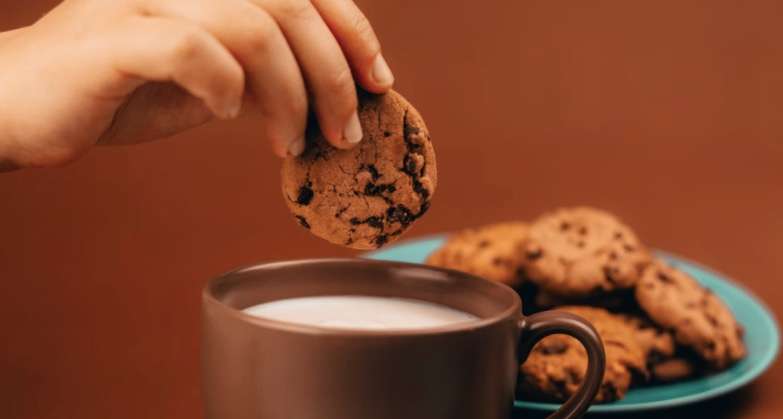
Fortunately, the best small treats are often the simplest: a favorite latte, a scoop of ice cream, a used book from a $1 bin, or a chocolate chip cookie from a beloved bakery can all serve the purpose.
Gallagher points out that, as adults, we sometimes stop reinforcing ourselves. The "token economies" set up for us as children, in which we earned stickers and prizes for little accomplishments, fade as we grow older, she explains, and somewhere along the way we come to expect adults to simply push through life with no rewards at all. "There's nothing psychologically unsophisticated about intentionally celebrating your effort," she says. "In fact, decades of behavioral science suggest it's one of the best ways to build sustainable habits while also making life a little more enjoyable."
Even so, she urges everyone to think beyond shopping, since the ultimate goal is pleasure itself. "The common denominator isn't the object," she says. "It's giving yourself permission to experience a small moment of joy."