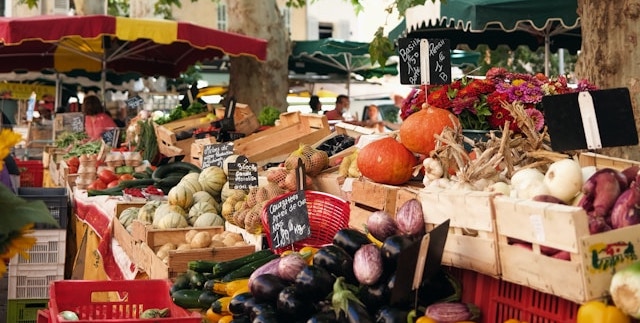
As the Chinese New Year is drawing near, markets across China are coming alive with festive buzz. Early mornings see shuttle buses from cities to suburban markets filled with young faces clutching cameras and gimbals, while tens of thousands tune in to livestream online, starting their days to the steam of breakfast stalls and the din of vendors' calls.
For centuries, markets have been the beating heart of grassroots commerce, places where communities gather to trade. But today, what was once a rural, traditional ritual is becoming a cultural phenomenon among young people, drawing them both offline and online.
On Chinese social media platform Douyin, videos tagged with "market-going" have racked up millions of views.
No longer the exclusive domain of the older generation, these markets have become a hot spot for young people seeking authentic experiences. From intangible cultural heritage (ICH) crafts to freshly brewed coffee, from rural fairs to urban night markets, this cross-urban-rural market craze not only brings back the warmth of everyday life but also embodies young people's dual pursuit of Chinese New Year flavor and emotional comfort.
The appeal lies in the markets' vivid sensory pleasures. At the Jingui market in Yinchuan, Northwest China's Ningxia Hui Autonomous Region, one can experience glutinous rice cakes sizzling in oil, releasing a soft sweetness; golden, crispy fried yogurt lingers on the tongue, while the pop of corn kernels gives way to the fragrant aroma of fresh popcorn. Vendors' shouts, customers' haggling, and the beep of mobile payments blend into a lively symphony, breathing life into winter mornings at the market.
In a fast-paced world dominated by contactless shopping, young people are craving real human connection and markets fill that void perfectly. Free from workplace stress, they are offered warm greetings from vendors, casual haggling, a handful of melon seeds when paying, or a quick chat while queuing, small moments that ease mental burnout.
Beyond emotional comfort, the trend reflects young people's deep longing for Chinese New Year traditions and cultural roots. Chinese New Year customs, once reduced to supermarket shelves, have been revived in these markets, becoming vivid and tangible again.
Yu Jinlong, a Beijing-based cultural critic, told the Global Times that the revival of rural markets is a modern reinterpretation of rural civilization, driven by the return of people.
"They meet emotional needs, rebuild community bonds, and strengthen cultural confidence," Yu said.
The low-pressure, free interaction at markets, including noisy shouts, fresh food, and genuine connections, acts as a mental "massage" for a society increasingly fragmented by individualism.
People come for joy and the long-lost warmth of life: You can chat with a vendor for half an hour, or wander in silence. This balance of connection and space perfectly matches young people's needs.
In this two-way embrace between youth and markets, the vibrancy of everyday life is restored, and the spirit of the Chinese New Year is reborn.