Some animals rely on speed, sharp claws, or strength to catch prey. Others evolved methods so strange they almost seem unbelievable. The creatures on this list use deception, teamwork, tools, vibrations, traps, and even biological weapons to find food. These are some of the strangest hunting strategies in the animal kingdom.
Like many fish, archerfish hunt insects. Yet they do not limit themselves to bugs on the surface. Instead, these fish shoot jets of water from their mouths to knock insects off tree branches hanging above the water. These remarkable fish can even target insects several feet away with surprising accuracy. Once the unsuspecting insect is hit with the stream of water, it falls into the water, quickly becoming prey.
The bolas spider does not build a traditional web like most spiders. Instead, the female makes a sticky glob attached to a silk line and swings it through the air like a cowboy lasso. Even stranger, the spider releases chemicals that mimic female moth pheromones to attract male moths. Once the moth approaches, the spider whips her sticky ball at the victim and reels it in.
Electric eels hunt using powerful bursts of electricity capable of stunning prey instantly. Specialized organs inside the eel generate these electrical charges, which disable fish and other small aquatic animals. In some cases, electric eels even leap out of the water to shock more effectively. Their hunting style allows them to locate prey even in murky water.
Trap-jaw ants have incredibly fast-moving jaws that snap shut at high speeds when prey touches sensory hairs near their mouth. The force is strong enough to instantly crush small insects. These ants have a second use for the adaptation as well: when threatened, their jaws act like spring-loaded catapults that launch them away from danger.
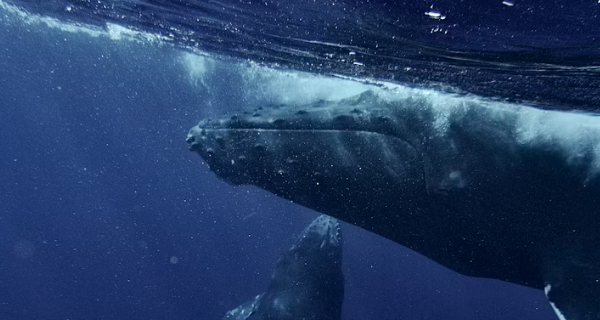
Humpback whales sometimes use a coordinated hunting strategy known as bubble-net feeding. Groups of whales swim beneath schools of fish while blowing bubbles up towards the surface. The bubbles create an underwater wall that confuses the fish, leading them to congregate into tightly packed clusters. At that point, all the whales have to do is swim upward through the center with their mouths wide open.
Many of us don't think of snails as predators, but the cone snail is a deadly sea hunter. This beautifully patterned snail hides a harpoon-like tooth full of venom. The snail launches this tiny sharp weapon into fish, injecting toxins that paralyze the victim. Some cone snail venom is so powerful it can even seriously harm humans.
Antlion larvae hunt by building cone-shaped sand traps. Insect prey walking over these pits of loose sand has little chance of escape. At the bottom of the trap lies the larva with its jaw exposed and ready to eat. The sand is stacked in such a way that victims slide downward, where the antlion grabs them and drags them beneath the surface.
Pistol shrimp rely on sound and pressure waves to hunt. When they rapidly snap their oversized claw, it creates an extremely hot bubble. For less than a second, this bubble is so hot it surpasses the temperature of the sun. The resulting wave stuns or kills nearby prey instantly, and the snap is also incredibly loud underwater despite the shrimp's tiny size.
Green herons are one of the few birds known to regularly use tools while hunting. These birds drop insects, feathers, bread, or other small objects onto the surface of the water to lure fish upwards. When curious fish approach the bait, the heron strikes with incredible speed. In a sense, green herons go fishing by using bait just like people.
The star-nosed mole is a bizarre underground hunter whose fleshy, tentacled nose is central to its hunting technique. Living underground means vision is less useful, so this species evolved thousands of sensory receptors in its nose to hunt by touch. This mole can identify and eat tiny insects faster than the human eye can follow.