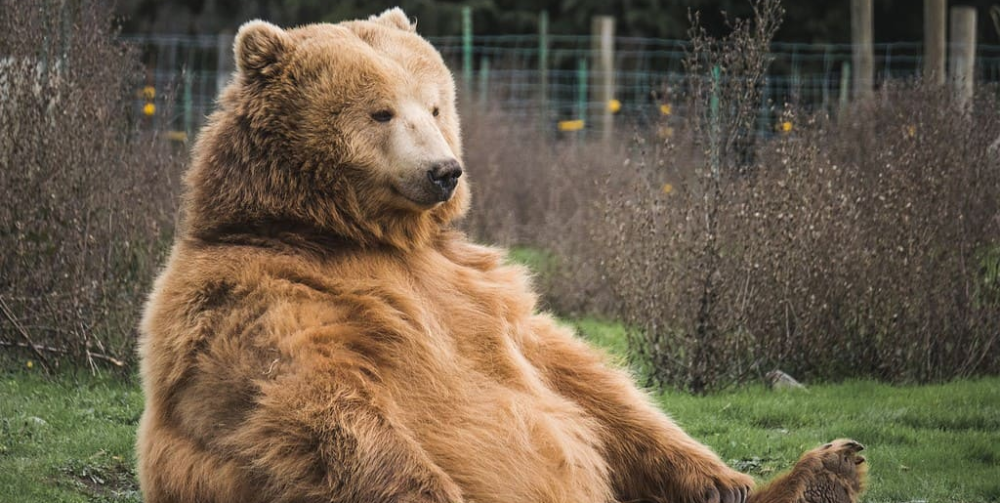
In early fall, people living in and visiting bear country often notice more black bears than they did in summer. The animals are still racing to eat.
It may be assumed that black bears are hungriest after they emerge from hibernation. They are actually hungriest before they go into hibernation, gorging on thousands of calories a day to add fat in a short time.
September is typically the height of this fall feeding frenzy. The drive to eat high-calorie food is called hyperphagia, a condition in which bears consume a tremendous amount of food. It helps them gain weight quickly, increasing their overall weight by 25% to 40%.
Bears must put on that weight before hibernation. According to the Institute for Environmental Research and Education, if they do not increase their fat stores enough, basic metabolic functions suffer, and mothers may not produce enough milk for their cubs.
Shorter days and cooler temperatures signal that hyperphagia should begin. Hormones shift: leptin decreases, so bears feel less full than they are, and other changes push appetite further, until they consume 20,000 calories a day.
During hyperphagia, bears look for food for about 22 hours a day, so they are far more likely to be seen than at other times of year. Finding that many calories in the wild can be difficult. Bears that associate people with food may lose their fear of humans as they search for something to eat.
People who live in bear country commonly see bears trying to break into garbage cans, cars, or even homes. That does not necessarily mean the bears are more aggressive. If food is available, they will eat it, and they are likely to be less shy about taking it.
Hyperphagia does not last all fall. The hormones that kept bears consistently hungry begin to fade, and they are ready for a long winter rest.
The weight gain is necessary for winter. Without it, bears could not stay in their dens for long. According to the North American Bear Center, some remain hidden for six to seven months. The early-fall obsession with food is not optional.